Love this? Save it for later!
Share the inspiration with your friends
“Mom, why can’t I focus like Jamie in class?” my daughter asked one hectic morning just as I was scrambling eggs and trying to pack lunches. Honestly, that question hit me harder than the spilled milk on the counter. We’d been wrestling with attention struggles all summer, and with school starting, I was desperate to help her have a better day, every day. That’s when I stumbled upon some simple, nourishing ideas for a healthy ADHD diet for kids — back-to-school focus foods that actually work.
It wasn’t in a fancy nutrition book or from some well-meaning but vague advice online. Nope, it came from a chat with my friend Lisa, whose son has ADHD too. She casually mentioned how switching up snacks and meals to include certain brain-friendly ingredients had transformed their mornings. I was skeptical at first — I mean, how much difference could a handful of blueberries or a sprinkle of nuts really make? But I decided to give it a try, tweaking our meal plan with focus-boosting foods that are easy, kid-approved, and perfect for busy school days.
Let me tell you, the change was subtle but unmistakable. The mornings became calmer, homework time less of a struggle, and those distracted “I forgot” moments started to fade. Maybe you’ve been there too, wondering how to help your child concentrate without turning mealtime into a battleground. This collection of recipes and focus foods isn’t a miracle cure, but it’s a real-life toolkit that’s helped our family—and it might just help yours, too.
Why You’ll Love This Recipe
Creating a healthy ADHD diet for kids with back-to-school focus foods isn’t just about nutrition; it’s about making mealtime manageable and even enjoyable. These recipes are the result of trial, error, and lots of taste testing (mostly by my picky eater). Here’s why you’ll want to have them in your rotation:
- Quick & Easy: Most of these recipes come together in under 30 minutes, ideal for rushed mornings or after-school snacks.
- Simple Ingredients: No need for specialty stores—these are pantry staples and fresh produce you probably already have.
- Perfect for School Days: Designed to support focus and calm energy, making them great for breakfast, snacks, or lunchboxes.
- Crowd-Pleaser: Loved by kids who might usually turn their noses up at “healthy” food, and appreciated by parents looking for brain-boosting meals.
- Unbelievably Delicious: The natural flavors shine through, with textures and tastes that satisfy without overwhelming sensitive palates.
What sets these recipes apart? It’s the thoughtful balance of nutrients—like omega-3 fatty acids, fiber, and protein—combined with kid-friendly flavors. I’ve blended cottage cheese for creaminess in one snack, swapped out refined grains for whole options in another, and always kept it practical. Honestly, this isn’t just “another healthy recipe”; it’s a tested approach that helps kids feel more focused and ready for the day.
What Ingredients You Will Need
These healthy ADHD diet recipes for kids use straightforward, wholesome ingredients that support brain function and sustained energy. Most are pantry staples or fresh items easy to find year-round.
- For the Brain-Boosting Breakfast Bowl:
- Rolled oats (gluten-free if needed)
- Chia seeds (rich in omega-3s, great for focus)
- Greek yogurt, plain (I like Fage for creamy texture)
- Fresh blueberries or mixed berries (seasonal swaps welcome)
- Honey or maple syrup (optional, for a touch of sweetness)
- Walnuts, chopped (adds crunch and brain-friendly fats)
- For the Savory Snack Bites:
- Cottage cheese, small-curd and well-drained (look for organic brands)
- Whole grain crackers or seed crackers (for crunch and fiber)
- Cucumber slices and baby carrots (for fresh crunch)
- Fresh dill or chives, finely chopped (optional, for flavor)
- For the Concentration-Boosting Smoothie:
- Spinach leaves (mild flavor, packed with nutrients)
- Banana, ripe (adds natural sweetness and creaminess)
- Almond milk or dairy milk (choose unsweetened for less sugar)
- Ground flaxseeds (a powerhouse of omega-3s)
- Peanut butter or almond butter (protein and healthy fats)
- Frozen mango cubes (for a tropical twist)
When selecting ingredients, fresh and organic is great if you can swing it, but honestly, the key is consistency and making these foods part of your routine. For dairy-free options, swap Greek yogurt with coconut yogurt and use plant-based milk alternatives. If gluten is a concern, opt for certified gluten-free oats and crackers. The goal is to keep it simple and sustainable.
Equipment Needed
- A good quality blender or food processor (essential for smoothies and mixing cottage cheese snacks)
- Mixing bowls (medium and large sizes work best)
- Measuring cups and spoons (accurate measurements help with consistency)
- Knife and cutting board (for chopping fruits, veggies, and nuts)
- Small baking sheet or tray (if prepping crackers or baking snack bites)
If you don’t have a high-powered blender, a regular blender works fine but may take a bit longer to get that smooth texture. I once tried making the smoothie with a cheap blender and ended up with chunky spinach bits—lesson learned! For budget-friendly alternatives, mixing by hand or using a fork for cottage cheese snacks works well too. Just make sure to keep your blades sharp and clean for the best results.
Preparation Method
- Prepare the Brain-Boosting Breakfast Bowl: In a bowl, combine ½ cup (45g) rolled oats and 1 tablespoon (12g) chia seeds. Pour ¾ cup (180ml) plain Greek yogurt over the oats and stir gently. Let it sit for 5 minutes to thicken—this soak helps the oats soften without cooking. Top with ½ cup (75g) fresh blueberries, a drizzle of 1 teaspoon (7g) honey, and a sprinkle of 2 tablespoons (15g) chopped walnuts. Serve chilled or at room temperature.
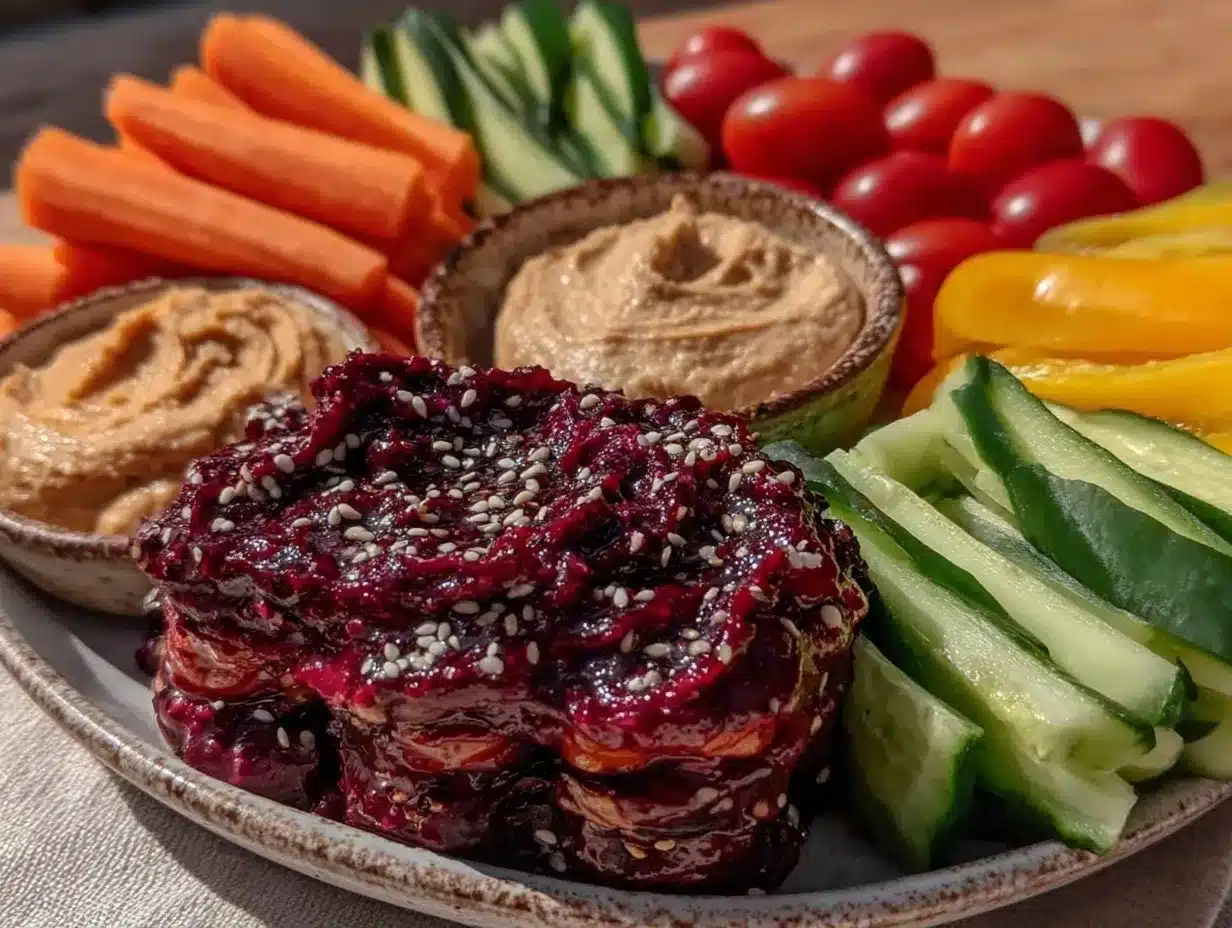
- Make Savory Snack Bites: In a small bowl, mix ½ cup (120g) drained small-curd cottage cheese with a pinch of salt and 1 tablespoon (6g) chopped fresh dill or chives, if using. Spread a tablespoon of this mixture onto whole grain crackers. Add cucumber slices and baby carrots on the side. These bites can be prepped ahead and stored in an airtight container for up to 2 days.
- Blend the Concentration-Boosting Smoothie: Add 1 cup (30g) fresh spinach leaves, 1 ripe banana, 1 cup (240ml) unsweetened almond milk, 1 tablespoon (10g) ground flaxseeds, 1 tablespoon (16g) peanut butter, and ½ cup (80g) frozen mango cubes into your blender. Blend on high until smooth and creamy, about 45 seconds. If too thick, add a splash more milk to reach desired consistency. Taste and adjust sweetness if needed.
Quick tip: When making the smoothie, add frozen fruit last to help the blades move freely. If you want a colder snack, chill the breakfast bowl ingredients overnight. Also, don’t worry if the cottage cheese mixture looks a bit lumpy—that texture is part of the charm and adds protein-packed goodness.
Cooking Tips & Techniques
One trick I learned early on was to soak oats with yogurt instead of cooking them. It saves time and keeps the nutrients intact, plus kids love the creamy texture without the hot mess. When working with cottage cheese, draining excess liquid prevents soggy crackers, which is a common mistake that can turn kids off.
For smoothies, layering ingredients in the blender—liquids first, then powders or leafy greens, and frozen fruit last—helps get a smooth blend without straining your blender motor. I’ve ruined a few blenders by ignoring this, and trust me, it’s not worth it.
Timing is crucial when juggling school mornings. Prepping snack bites the night before frees up precious time and cuts stress. Also, if your kid is sensitive to textures, try blending cottage cheese into the smoothie as a hidden protein boost—it’s a game-changer for picky eaters.
Lastly, consistency matters. Don’t expect overnight miracles; incorporating these focus foods regularly helps build better habits and steady energy throughout the day.
Variations & Adaptations
- Gluten-Free Option: Swap rolled oats for certified gluten-free oats and use seed crackers instead of wheat-based ones to keep snacks safe for gluten-sensitive kids.
- Nut-Free Version: Replace walnuts and peanut butter with sunflower seed butter and pumpkin seeds to avoid allergies while maintaining healthy fats.
- Seasonal Fruit Swaps: In warmer months, try fresh peaches, cherries, or strawberries instead of berries or mango in smoothies and bowls for variety and freshness.
- Warm Breakfast Variation: For chilly mornings, cook the oats with milk and stir in chia seeds after cooking, then top with nuts and fruit.
- Personal Twist: I once added a teaspoon of cinnamon to the breakfast bowl—it added warmth and a natural sweetness that my daughter adored even on tough mornings.
Serving & Storage Suggestions
Serve the breakfast bowl chilled or at room temperature, ideal for quick mornings or a relaxed weekend start. The snack bites are perfect for after-school munching, paired with a small glass of water or milk. Smoothies should be served immediately for freshness but can be stored in an airtight container in the fridge for up to 12 hours—just give it a good shake before drinking.
Store any leftovers in sealed containers to preserve texture and flavor. Oats soak up liquid over time, so if making in advance, add extra yogurt or milk before serving. Snack bites keep best if crackers and cheese mixture are stored separately to avoid sogginess. Flavors tend to develop nicely in the smoothie when made fresh, so avoid freezing once blended.
Pair these focus foods with simple sides like apple slices, cheese sticks, or whole grain toast for balanced meals that keep energy steady and minds alert.
Nutritional Information & Benefits
Each recipe is packed with nutrients key to supporting focus and brain health:
- Omega-3 Fatty Acids: From chia seeds, walnuts, flaxseeds, and nut butters, crucial for cognitive function and mood stability.
- Protein: Greek yogurt, cottage cheese, and nut butters promote sustained energy and help regulate blood sugar.
- Fiber: Whole grains, fruits, and veggies aid digestion and prevent energy dips.
- Vitamins & Minerals: Fresh produce provides antioxidants and B vitamins for brain and nervous system support.
These recipes are gluten-free friendly with simple swaps and can be nut-free if allergens are a concern. They avoid artificial additives and excess sugar, which can exacerbate ADHD symptoms. From a wellness perspective, incorporating natural, whole foods into your child’s diet sets a solid foundation for both concentration and overall health.
Conclusion
Helping kids with ADHD focus better at school feels like a puzzle, but the right foods can be a big piece of that picture. These healthy ADHD diet kids back-to-school focus foods are easy to prepare, tasty, and designed to support calm, sustained attention. I love these recipes because they bring a bit of peace to our mornings and confidence that I’m nourishing more than just an appetite.
Feel free to tweak ingredients to match your child’s tastes and needs—there’s no one-size-fits-all here, just practical, delicious options. I’d love to hear how these recipes work for your family or any creative spins you come up with. Share your stories or questions in the comments below, and let’s keep making mealtime a positive part of the day!
Remember, a little focus food goes a long way, and every small change counts towards better days.
FAQs
What are the best foods to help kids with ADHD focus better?
Foods rich in omega-3 fatty acids, protein, fiber, and antioxidants—like nuts, seeds, whole grains, fruits, and dairy—are great for supporting focus and steady energy in kids with ADHD.
Can these recipes be made nut-free for children with allergies?
Absolutely! Simply swap nuts and nut butters with seed alternatives like sunflower seed butter or pumpkin seeds to keep the healthy fats without triggering allergies.
Are these focus foods suitable for gluten-free diets?
Yes, by choosing certified gluten-free oats and crackers, these recipes can easily fit into a gluten-free diet without losing flavor or nutrition.
How far in advance can I prepare these meals?
The breakfast bowl can be prepped the night before, snack bites are best made a day ahead but stored separately, and smoothies are best enjoyed fresh or within 12 hours if refrigerated.
Do these foods guarantee improved focus for all kids with ADHD?
While no food is a cure-all, these recipes support brain health and energy balance, which can help improve focus and reduce some symptoms when combined with other strategies.
Pin This Recipe!
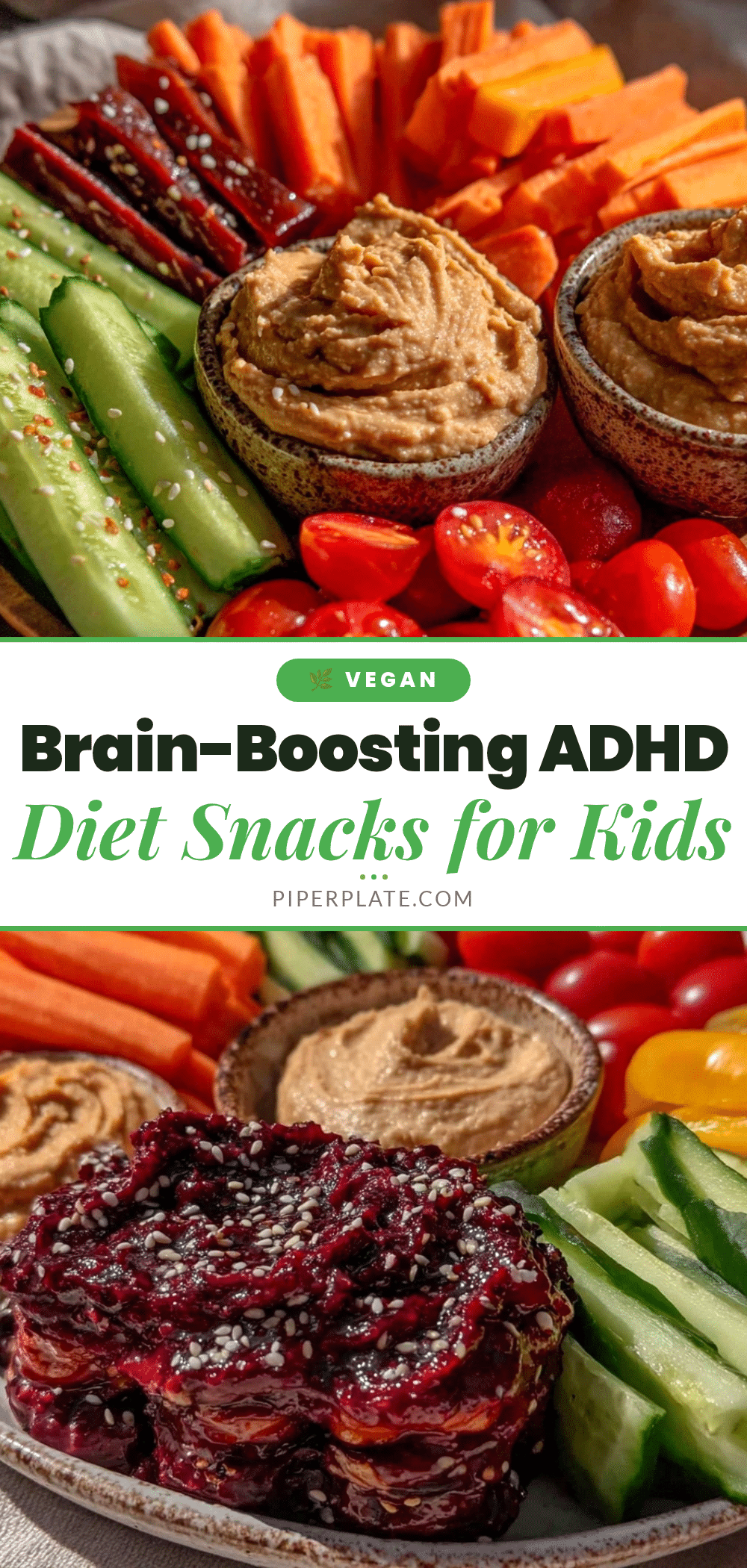
Healthy ADHD Diet Kids Back-to-School Focus Foods Easy Recipes for Better Concentration
This collection of easy, kid-approved recipes features brain-boosting ingredients designed to support focus and calm energy for children with ADHD, perfect for busy school days.
- Prep Time: 10 minutes
- Cook Time: 0 minutes
- Total Time: 10 minutes
- Yield: 3 servings
- Category: Snack / Breakfast
- Cuisine: American
Ingredients
- Rolled oats (gluten-free if needed)
- Chia seeds
- Plain Greek yogurt
- Fresh blueberries or mixed berries
- Honey or maple syrup (optional)
- Walnuts, chopped
- Cottage cheese, small-curd and well-drained
- Whole grain crackers or seed crackers
- Cucumber slices
- Baby carrots
- Fresh dill or chives (optional)
- Spinach leaves
- Banana, ripe
- Almond milk or dairy milk (unsweetened)
- Ground flaxseeds
- Peanut butter or almond butter
- Frozen mango cubes
Instructions
- Prepare the Brain-Boosting Breakfast Bowl: In a bowl, combine ½ cup (45g) rolled oats and 1 tablespoon (12g) chia seeds. Pour ¾ cup (180ml) plain Greek yogurt over the oats and stir gently. Let it sit for 5 minutes to thicken. Top with ½ cup (75g) fresh blueberries, a drizzle of 1 teaspoon (7g) honey, and a sprinkle of 2 tablespoons (15g) chopped walnuts. Serve chilled or at room temperature.
- Make Savory Snack Bites: In a small bowl, mix ½ cup (120g) drained small-curd cottage cheese with a pinch of salt and 1 tablespoon (6g) chopped fresh dill or chives, if using. Spread a tablespoon of this mixture onto whole grain crackers. Add cucumber slices and baby carrots on the side. Store in an airtight container for up to 2 days.
- Blend the Concentration-Boosting Smoothie: Add 1 cup (30g) fresh spinach leaves, 1 ripe banana, 1 cup (240ml) unsweetened almond milk, 1 tablespoon (10g) ground flaxseeds, 1 tablespoon (16g) peanut butter, and ½ cup (80g) frozen mango cubes into a blender. Blend on high until smooth and creamy, about 45 seconds. Add more milk if needed to reach desired consistency. Serve immediately.
Notes
Soak oats with yogurt instead of cooking to save time and preserve nutrients. Drain cottage cheese well to avoid soggy crackers. Add frozen fruit last when blending smoothies for best texture. Prepare snack bites ahead and store crackers separately to maintain crunch. For dairy-free, swap Greek yogurt with coconut yogurt and use plant-based milk. For nut allergies, replace nuts and nut butters with seed alternatives.
Nutrition
- Serving Size: One serving equals a
- Calories: 25030
- Sugar: 10
- Sodium: 150
- Fat: 12
- Saturated Fat: 2
- Carbohydrates: 30
- Fiber: 6
- Protein: 10
Keywords: ADHD diet, kids focus foods, brain-boosting recipes, healthy snacks, back-to-school meals, gluten-free, nut-free options