Love this? Save it for later!
Share the inspiration with your friends
There used to be a little bakery tucked between a dry cleaner and a shoe repair shop on Main Street that made the most incredible apple cider caramel cake. When they closed their doors three years ago—just a handwritten sign in the window saying “Thank you for the sweet years”—I honestly felt a little pang of loss. That cake was our family’s fall tradition. My kids would press their noses against the glass case every October, and the owner, a sweet older woman named Margie, always saved us the last slice. After about seven tries—some too dry, some where the caramel just turned into a sticky puddle—I finally cracked the code. This Kid-Approved Apple Cider Caramel Cake with Cinnamon Buttercream is the one. It’s the cake that makes my youngest close his eyes on the first bite, just like he used to at Margie’s counter. Honestly, I think she’d be proud.
You know that feeling when you bite into something and it just tastes like fall? That’s this cake. The apple cider keeps it impossibly moist, the caramel is rich but not cloying, and the cinnamon buttercream? Let’s just say it’s the kind of frosting you want to eat with a spoon when no one’s looking. I’ve made this for school bake sales, Thanksgiving dessert tables, and those random Tuesday nights when everyone needs a little pick-me-up. It never fails. And the best part? It uses ingredients you probably already have in your pantry—no fancy extracts or trips to a specialty store.
I remember the first time I made my successful version. It was a rainy Saturday, and I had apple cider left over from our orchard trip. My kitchen looked like a flour bomb went off—there was batter on my glasses, I’d forgotten to set a timer for the caramel (cue a frantic rescue mission), and my daughter walked in asking if we were “making a mess or making a cake.” Both, sweetie. Both. But when that cake came out of the oven, golden and fragrant, and I slathered on that cinnamon buttercream while it was still warm… well, the whole house went quiet. That’s how you know it’s a winner.
Why You’ll Love This Recipe
This isn’t just another apple cake recipe. This is the one that gets requested for birthdays, requested for no reason at all, and requested by friends who “never bake.” Here’s why it works so well for real families on a real budget:
- Incredibly Moist: The apple cider keeps the cake tender for days. No dry crumbs here, even on day three.
- Simple Pantry Ingredients: No weird specialty flours or expensive extracts. You likely have everything except maybe the cider.
- Kid-Tested & Parent-Approved: My kids beg for this. Their friends beg for this. It’s that rare dessert that makes everyone happy.
- Great for Leftovers: This cake actually gets better after a day in the fridge. The flavors meld, and the buttercream sets into a dreamy frosting layer.
- Budget-Friendly: Apple cider is cheap in the fall, and the rest is basic baking staples. You’re feeding a crowd without breaking the bank.
What makes this recipe different from every other apple cake out there? It’s the double hit of apple cider—both in the batter and reduced into a syrup that gets swirled into the caramel. It gives the cake a depth of flavor that’s hard to describe but impossible to forget. Plus, the cinnamon buttercream isn’t just sweet; it’s got a warmth that makes you feel like you’re wrapped in a cozy blanket. I’ve tested this with different flours, different sugars, and different frosting ratios. This version is the one. It’s the Goldilocks of apple cakes—everything is just right.
This cake is for the nights when you want to make something special without spending hours in the kitchen. It’s for the mom who needs a dessert that travels well to a potluck. It’s for the dad who wants to surprise the kids with something homemade. It’s comfort, pure and simple, and it’s made to be shared.
What Ingredients You Will Need
This recipe uses simple, honest ingredients that work together to create something truly special. Most of these are pantry staples, and the few that aren’t are easy to find and worth the small effort.
For the Apple Cider Caramel Cake
- 2 cups (240g) all-purpose flour – Spoon and level for accuracy. Too much flour makes a dry cake.
- 1 ½ teaspoons baking powder – Make sure it’s fresh. Test by dropping a bit in hot water—if it fizzes, you’re good.
- ½ teaspoon baking soda – Helps the cake rise and brown beautifully.
- 1 teaspoon ground cinnamon – The backbone of the warm spice flavor. I use Saigon cinnamon for extra punch.
- ½ teaspoon ground nutmeg – Freshly grated if you have it, but pre-ground works fine.
- ¼ teaspoon ground cloves – Just a pinch. It adds that “what is that?” depth.
- ½ teaspoon salt – Balances the sweetness. Don’t skip it.
- ¾ cup (170g) unsalted butter, softened – Leave it out for an hour. Cold butter doesn’t cream properly.
- 1 cup (200g) granulated sugar – Adds sweetness and structure.
- ½ cup (100g) packed light brown sugar – Adds moisture and a hint of molasses.
- 3 large eggs, room temperature – Room-temp eggs emulsify better, giving you a smoother batter.
- 1 teaspoon vanilla extract – Pure, not imitation. It makes a difference.
- 1 cup (240ml) apple cider – Not apple juice. Cider has more flavor and body. (I use local orchard cider when I can get it.)
For the Apple Cider Caramel Sauce
- 1 cup (240ml) apple cider – Reduced down to concentrate the flavor.
- ½ cup (100g) granulated sugar – For the caramel base.
- 3 tablespoons unsalted butter, cubed – Adds richness and helps the caramel stay smooth.
- ¼ cup (60ml) heavy cream – Room temperature. Cold cream can seize the caramel.
- ¼ teaspoon salt – Flaky sea salt is lovely here, but table salt works too.
For the Cinnamon Buttercream
- 1 cup (226g) unsalted butter, softened – The base of a good buttercream is good butter. I recommend Kerrygold or Plugrà for flavor.
- 3–4 cups (360–480g) powdered sugar – Sifted to avoid lumps.
- 2 teaspoons ground cinnamon – Adjust to your taste. I like it bold.
- 2–3 tablespoons heavy cream or milk – For consistency. Start with 2 and add more if needed.
- 1 teaspoon vanilla extract – Rounds out the cinnamon flavor.
- ¼ teaspoon salt – Cuts the sweetness and makes the cinnamon pop.
Ingredient Tips: For the apple cider, look for unfiltered, cloudy cider if you can find it. It has more apple solids and deeper flavor. If you only have apple juice, you can use it, but the cake will be slightly less intense. For the butter, I always use unsalted so I can control the salt level. If you only have salted butter, reduce the added salt in each component by ¼ teaspoon. And for the cinnamon, don’t be shy. This is a cinnamon buttercream, after all.
Equipment Needed
You don’t need a professional bakery setup for this cake. Here’s what you’ll need, along with a few tips from my own messy kitchen:
- Two 9-inch round cake pans – I love my Fat Daddio’s anodized aluminum pans. They conduct heat evenly and release cakes beautifully. If you only have dark non-stick pans, reduce the oven temperature by 25°F to prevent over-browning.
- Parchment paper – Cut circles for the bottom of the pans. This is the secret to cakes that release without a fight.
- Stand mixer or hand mixer – A stand mixer makes creaming butter and sugar a breeze, but a hand mixer works perfectly. I’ve made this cake with a whisk and a strong arm in a pinch—it’s doable, but your arm will thank you for the mixer.
- Medium saucepan – For reducing the apple cider and making the caramel. Stainless steel or enameled cast iron works best.
- Candy thermometer (optional but helpful) – For the caramel. You can do it by color, but a thermometer takes the guesswork out.
- Cooling rack – Essential for even cooling. If you don’t have one, you can use the inverted pans, but the bottoms might get a little soggy.
- Offset spatula – For smoothing the buttercream. A butter knife works in a pinch, but the spatula makes it look professional.
- Piping bags and tips (optional) – For fancy decoration. I often just smear the frosting on with the spatula—rustic is charming.
Preparation Method
Let’s get to the fun part. This recipe has a few steps, but I promise they’re all straightforward. Take your time, read through once, and set yourself up for success.
Step 1: Reduce the Apple Cider
In a small saucepan, bring 1 cup (240ml) of apple cider to a boil over medium-high heat. Reduce the heat to medium and let it simmer, stirring occasionally, until it’s reduced to about ¼ cup (60ml). This takes about 15–20 minutes. You’re looking for a syrupy, deep amber liquid. Watch it carefully toward the end—it can go from perfect to burnt in seconds. Set it aside to cool. This concentrated syrup is going into both the cake batter and the caramel, so don’t skip this step.
Step 2: Make the Apple Cider Caramel Sauce
In a clean, dry saucepan, spread ½ cup (100g) of granulated sugar in an even layer. Cook over medium heat, swirling the pan occasionally (don’t stir with a spoon), until the sugar melts into a deep amber color. This takes about 5–7 minutes. Once it’s melted, carefully whisk in 3 tablespoons of cubed butter—it will bubble up, so stand back. Then slowly stream in ¼ cup (60ml) of heavy cream while whisking constantly. The caramel will steam and bubble. Finally, whisk in 2 tablespoons of your reduced apple cider syrup and ¼ teaspoon of salt. Let it cool in the pan for 10 minutes, then transfer to a jar. It will thicken as it cools.
Step 3: Prepare the Cake Pans
Preheat your oven to 350°F (175°C). Grease two 9-inch round cake pans with butter or non-stick spray. Cut circles of parchment paper for the bottoms and press them in. Then dust the pans with a little flour, tapping out the excess. This double-layer protection ensures your cakes release cleanly.
Step 4: Mix the Dry Ingredients
In a medium bowl, whisk together 2 cups (240g) all-purpose flour, 1 ½ teaspoons baking powder, ½ teaspoon baking soda, 1 teaspoon cinnamon, ½ teaspoon nutmeg, ¼ teaspoon cloves, and ½ teaspoon salt. Set aside.
Step 5: Cream the Butter and Sugars
In a large mixing bowl (or the bowl of a stand mixer), beat ¾ cup (170g) softened unsalted butter with 1 cup (200g) granulated sugar and ½ cup (100g) packed light brown sugar on medium speed until light and fluffy. This takes about 3–4 minutes. Scrape down the sides of the bowl halfway through. You’re looking for a pale, airy mixture that looks like a cloud.
Step 6: Add the Eggs and Vanilla
Add the 3 room-temperature eggs one at a time, beating well after each addition. Then mix in 1 teaspoon vanilla extract. The batter might look a little curdled at this point—that’s normal. Don’t panic.
Step 7: Alternate the Dry Ingredients and Apple Cider
With the mixer on low speed, add the dry ingredients in three additions, alternating with the remaining apple cider (you should have about ¾ cup plus 2 tablespoons left after reducing some for the caramel). Start and end with the dry ingredients. Mix just until combined—overmixing makes the cake tough. Fold in 2 tablespoons of your reduced apple cider syrup with a spatula. The batter will be thick and smell amazing.
Step 8: Bake the Cakes
Divide the batter evenly between the two prepared pans. Smooth the tops with a spatula. Bake for 28–32 minutes, or until a toothpick inserted in the center comes out clean or with a few moist crumbs. The tops should be golden and spring back when lightly touched. Let the cakes cool in the pans for 10 minutes, then turn them out onto a wire rack to cool completely. Don’t rush this—warm cake will melt your buttercream into a sad puddle.
Step 9: Make the Cinnamon Buttercream
While the cakes cool, make the frosting. In a large bowl, beat 1 cup (226g) softened unsalted butter on medium speed until smooth and creamy, about 2 minutes. Add 2 teaspoons ground cinnamon and beat until combined. Gradually add 3 cups (360g) sifted powdered sugar, one cup at a time, beating on low speed until incorporated. Add 1 teaspoon vanilla extract, ¼ teaspoon salt, and 2 tablespoons heavy cream. Beat on medium-high speed for 3–4 minutes until light and fluffy. If the frosting is too thick, add another tablespoon of cream. If it’s too thin, add more powdered sugar.
Step 10: Assemble the Cake
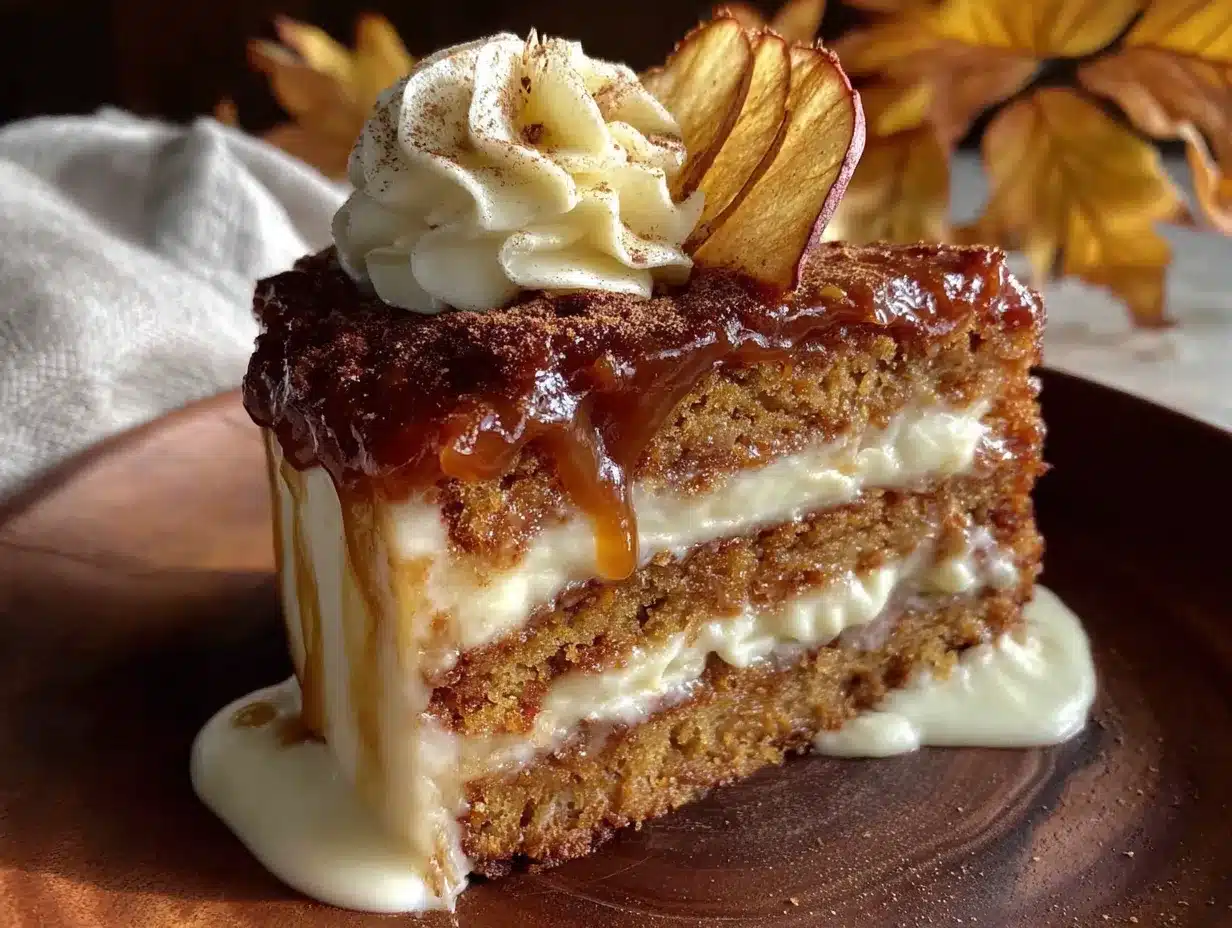
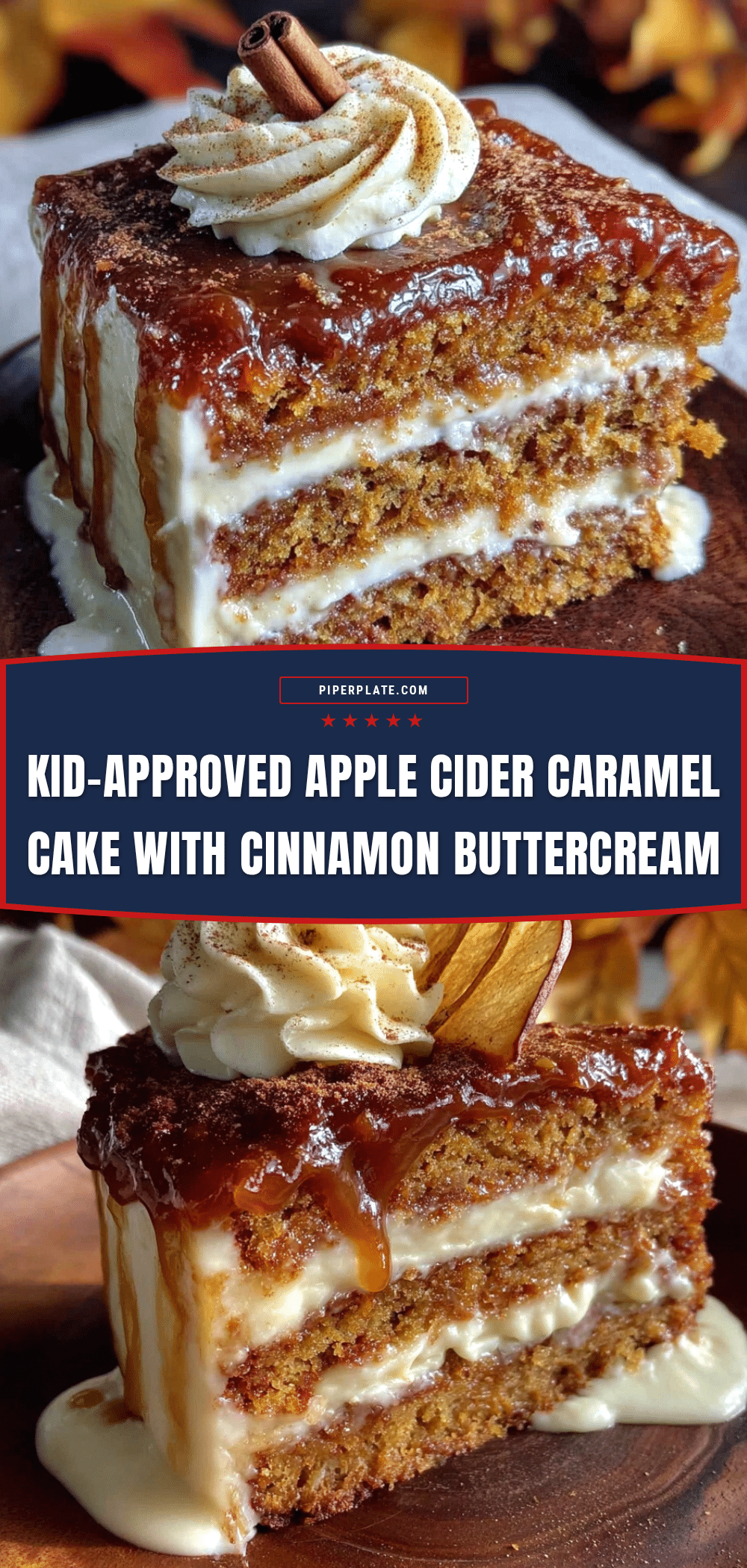
Place one cooled cake layer on your serving plate. Spread a generous layer of cinnamon buttercream on top. Drizzle about 2 tablespoons of the cooled caramel sauce over the buttercream. Place the second cake layer on top. Frost the entire cake with the remaining buttercream—a crumb coat (a thin layer) first, then a final thick layer. Drizzle the remaining caramel sauce over the top, letting it drip down the sides. If you’re feeling fancy, sprinkle a little flaky sea salt on top. Let the cake sit for 30 minutes before slicing to let the flavors meld.
Cooking Tips & Techniques
I’ve made this cake more times than I can count, and I’ve learned a few things the hard way. Here’s what I wish someone had told me:
Don’t rush the caramel. I once tried to speed it up by cranking the heat, and I ended up with a burnt, bitter mess. Low and slow is the way. Swirl the pan, don’t stir, and watch it like a hawk. The color should be a deep amber—think of a new penny. If you see smoke, you’ve gone too far.
Room temperature ingredients matter. I know, I know—it’s annoying to wait for butter and eggs to warm up. But cold butter doesn’t cream properly, and cold eggs can make the batter curdle. Set everything out an hour before you start. If you forget, you can warm eggs in a bowl of warm water for 5 minutes, and cut butter into small cubes to soften faster.
Measure your flour correctly. The #1 mistake in baking is using too much flour. Spoon it into your measuring cup, then level it off with a knife. Don’t scoop directly from the bag—you’ll pack it down and end up with a dry cake. I learned this after a particularly sad, crumbly batch that my kids politely called “a little thirsty.”
Let the cakes cool completely. I get it—the smell is intoxicating and you want to frost it right away. But warm cake + buttercream = a melty disaster. I’ve made that mistake exactly once. Now I set a timer and walk away. Patience pays off.
Use a serrated knife to level the cakes. If your cakes domed in the center (which happens with this batter), use a serrated knife to slice off the domed tops. This gives you flat, even layers that stack beautifully. Save the scraps for snacking—chef’s privilege.
Variations & Adaptations
This recipe is flexible, and I love playing around with it. Here are a few variations I’ve tried and loved:
- Gluten-Free Version: Swap the all-purpose flour with a 1:1 gluten-free baking blend (I like King Arthur’s Measure for Measure). Add ¼ teaspoon xanthan gum if your blend doesn’t include it. The texture will be slightly more tender, but it’s still delicious.
- Dairy-Free Adaptation: Use vegan butter (like Miyoko’s) and full-fat coconut cream instead of heavy cream in both the caramel and the buttercream. The flavor changes slightly, but the kids still devour it.
- Apple Spice Cake: Fold in 1 cup of finely diced fresh apple (like Honeycrisp or Fuji) into the batter before baking. It adds little pockets of soft, sweet apple throughout the cake. My oldest son calls these “the best bites.”
- Maple Cinnamon Twist: Replace ¼ cup of the granulated sugar in the cake with maple sugar, and add 1 tablespoon of maple syrup to the buttercream. It gives the cake a cozy, woodsy sweetness that’s perfect for Thanksgiving.
- Caramel Apple Cupcakes: Turn this into cupcakes! The batter makes about 24 cupcakes. Bake for 18–20 minutes at 350°F. Frost with the cinnamon buttercream and drizzle with caramel. They’re perfect for school parties or bake sales.
Serving & Storage Suggestions
This cake is a showstopper at room temperature. I like to let it sit out for about 20 minutes after frosting before slicing. The buttercream softens slightly, and the flavors meld together beautifully. Serve it with a hot cup of coffee or a cold glass of milk—both work.
For storage, this cake keeps remarkably well. Cover it with a cake dome or wrap it tightly in plastic wrap and store it in the refrigerator for up to 5 days. The caramel might get a little firmer, but that’s part of the charm. Let slices sit at room temperature for 10 minutes before serving to take the chill off.
This cake also freezes like a dream. I often bake the layers ahead of time, wrap them individually in plastic wrap and foil, and freeze for up to 3 months. When I’m ready to serve, I thaw them in the fridge overnight, then make the caramel and buttercream fresh. It’s a great way to get ahead of holiday baking.
One note: the caramel sauce will thicken in the fridge. If you’re serving the cake the next day and want a drippier caramel, gently warm it in the microwave for 10–15 seconds before drizzling.
Nutritional Information & Benefits
Let’s be real—this is a cake, not a health food. But I believe in enjoying treats in moderation, and this one has a few redeeming qualities. Here’s an approximate breakdown per slice (based on 12 servings):
- Calories: ~480
- Fat: 24g
- Carbohydrates: 65g
- Protein: 5g
- Fiber: 1g
- Sugar: 45g
The apple cider provides a small amount of vitamin C and antioxidants, and the cinnamon has anti-inflammatory properties. Plus, using real butter and cream means you’re getting actual food, not weird stabilizers and preservatives. I’d rather my kids eat a slice of this homemade cake than a store-bought version with a paragraph of unpronounceable ingredients.
If you’re watching your sugar intake, you can reduce the sugar in the cake by ¼ cup without sacrificing too much structure. The caramel and buttercream will still provide plenty of sweetness.
Conclusion
This Kid-Approved Apple Cider Caramel Cake with Cinnamon Buttercream is more than just a recipe—it’s a little piece of fall that you can hold in your hands. It’s the cake that brings my family to the table, makes the kitchen smell like a harvest festival, and creates the kind of memories that stick. I hope it does the same for yours.
Don’t be afraid to make it your own. Add more cinnamon if you love it. Throw in some chopped pecans. Drizzle extra caramel on top—I won’t judge. The best recipes are the ones that evolve with the people who make them.
If you try this cake, I’d love to hear about it. Leave a comment below, tag me in your photos, or tell me about the bakery that inspired your own kitchen adventures. Happy baking, friends!
Frequently Asked Questions
Can I use apple juice instead of apple cider?
You can, but the flavor won’t be as rich. Apple cider is unfiltered and has more apple solids, which gives the cake a deeper, more authentic apple taste. If you only have apple juice, add an extra ½ teaspoon of cinnamon to the batter to compensate.
How do I prevent my caramel from crystallizing?
Crystallization happens when sugar granules get stuck to the sides of the pan. To prevent it, make sure your pan is clean and dry before you start. Swirl the pan instead of stirring, and brush down the sides with a wet pastry brush if you see crystals forming. If all else fails, a squeeze of lemon juice can help stabilize the sugar.
Can I make this cake ahead of time?
Absolutely. You can bake the cake layers up to 3 days in advance and store them tightly wrapped in the fridge. You can also make the caramel sauce and buttercream up to a week ahead. Assemble the cake the day you plan to serve it for the best texture and appearance.
Why did my cake sink in the middle?
A sunken cake usually means one of three things: the oven door was opened too early (give it at least 25 minutes before checking), the baking powder was expired, or the batter was overmixed. Check the date on your baking powder and resist the urge to peek until the cake is mostly set.
Can I use this recipe for a sheet cake?
Yes! Pour the batter into a greased 9×13-inch pan and bake at 350°F for 30–35 minutes. You’ll need about 1 ½ times the buttercream recipe to cover the top. Drizzle the caramel over the frosting for a stunning presentation that’s even easier to serve.
Pin This Recipe!
Easy Kid-Approved Apple Cider Caramel Cake with Cinnamon Buttercream
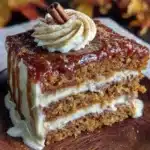
A moist apple cider cake with rich caramel sauce and cinnamon buttercream, inspired by a beloved local bakery. This kid-approved fall dessert is made with simple pantry ingredients and is perfect for any occasion.
- Prep Time: 30 minutes
- Cook Time: 30 minutes
- Total Time: 1 hour 30 minutes
- Yield: 12 servings 1x
- Category: Dessert
- Cuisine: American
Ingredients
- 2 cups (240g) all-purpose flour
- 1 ½ teaspoons baking powder
- ½ teaspoon baking soda
- 1 teaspoon ground cinnamon
- ½ teaspoon ground nutmeg
- ¼ teaspoon ground cloves
- ½ teaspoon salt
- ¾ cup (170g) unsalted butter, softened
- 1 cup (200g) granulated sugar
- ½ cup (100g) packed light brown sugar
- 3 large eggs, room temperature
- 1 teaspoon vanilla extract
- 1 cup (240ml) apple cider
- 1 cup (240ml) apple cider (for caramel)
- ½ cup (100g) granulated sugar (for caramel)
- 3 tablespoons unsalted butter, cubed (for caramel)
- ¼ cup (60ml) heavy cream (for caramel)
- ¼ teaspoon salt (for caramel)
- 1 cup (226g) unsalted butter, softened (for buttercream)
- 3–4 cups (360–480g) powdered sugar, sifted
- 2 teaspoons ground cinnamon
- 2–3 tablespoons heavy cream or milk
- 1 teaspoon vanilla extract
- ¼ teaspoon salt
Instructions
- Reduce the apple cider: In a small saucepan, bring 1 cup (240ml) of apple cider to a boil over medium-high heat. Reduce heat to medium and simmer, stirring occasionally, until reduced to about ¼ cup (60ml), about 15–20 minutes. Set aside to cool.
- Make the caramel sauce: In a clean, dry saucepan, spread ½ cup (100g) granulated sugar in an even layer. Cook over medium heat, swirling occasionally, until melted and deep amber, about 5–7 minutes. Carefully whisk in 3 tablespoons cubed butter, then slowly stream in ¼ cup (60ml) heavy cream while whisking constantly. Whisk in 2 tablespoons of the reduced apple cider syrup and ¼ teaspoon salt. Let cool in pan for 10 minutes, then transfer to a jar.
- Prepare the cake pans: Preheat oven to 350°F (175°C). Grease two 9-inch round cake pans, line bottoms with parchment paper, and dust with flour.
- Mix dry ingredients: In a medium bowl, whisk together flour, baking powder, baking soda, cinnamon, nutmeg, cloves, and salt. Set aside.
- Cream butter and sugars: In a large bowl, beat ¾ cup (170g) softened butter with 1 cup (200g) granulated sugar and ½ cup (100g) packed light brown sugar on medium speed until light and fluffy, about 3–4 minutes.
- Add eggs and vanilla: Add eggs one at a time, beating well after each. Mix in 1 teaspoon vanilla extract.
- Alternate dry ingredients and apple cider: With mixer on low, add dry ingredients in three additions, alternating with remaining apple cider (about ¾ cup plus 2 tablespoons). Mix just until combined. Fold in 2 tablespoons of reduced apple cider syrup.
- Bake the cakes: Divide batter evenly between prepared pans. Bake for 28–32 minutes, until a toothpick inserted in center comes out clean. Cool in pans for 10 minutes, then turn out onto a wire rack to cool completely.
- Make the cinnamon buttercream: In a large bowl, beat 1 cup (226g) softened butter until smooth. Add 2 teaspoons cinnamon and beat until combined. Gradually add 3 cups (360g) sifted powdered sugar, beating on low. Add 1 teaspoon vanilla, ¼ teaspoon salt, and 2 tablespoons heavy cream. Beat on medium-high for 3–4 minutes until light and fluffy. Adjust consistency with more cream or powdered sugar as needed.
- Assemble the cake: Place one cooled cake layer on serving plate. Spread a generous layer of buttercream on top. Drizzle about 2 tablespoons of caramel sauce over buttercream. Place second cake layer on top. Frost entire cake with remaining buttercream. Drizzle remaining caramel sauce over top, letting it drip down sides. Let sit for 30 minutes before slicing.
Notes
Don’t rush the caramel; low and slow is key. Room temperature ingredients matter for proper creaming. Measure flour correctly by spooning and leveling. Let cakes cool completely before frosting to avoid melting the buttercream. Use a serrated knife to level domed cake tops.
Nutrition
- Serving Size: 1 slice
- Calories: 480
- Sugar: 45
- Sodium: 320
- Fat: 24
- Saturated Fat: 15
- Carbohydrates: 65
- Fiber: 1
- Protein: 5
Keywords: apple cider cake, caramel cake, cinnamon buttercream, fall dessert, kid-friendly cake, homemade cake