Love this? Save it for later!
Share the inspiration with your friends
I was standing in the middle of a grocery store parking lot last October when the smell hit me. Someone was walking by with a bag of fresh sage, and I swear, for a solid five seconds I was seven years old again, sitting on a wobbly wooden stool in Mrs. Gable’s tiny farm kitchen. She wasn’t my grandmother, not even a relative. She was just this older woman who lived down the dirt road from us, the one who let me help her chop vegetables when my mom ran late picking me up from the bus stop. That sage smell was so sharp and earthy it practically yanked me out of my own body. I stood there holding my reusable bags, and I couldn’t even move until the person with the sage got into their car and drove away. I had forgotten about that kitchen, about the way she would hum old folk songs while stirring a big pot on the stove. I hadn’t thought about that particular soup in twenty-five years.
The thing is, I didn’t even like butternut squash as a kid. I remember staring at the orange chunks in my bowl, suspicious of anything that wasn’t chicken nuggets. But Mrs. Gable had this way of making you feel special, and she would just wink and say, “One bite, kiddo. Just one.” So I took that bite, and honestly, it was like someone turned on a light in my brain. It was sweet, but not like candy. It was savory and rich and had this warmth that spread from my stomach to my toes. I think I ate three bowls that night. I never got her recipe, and she moved away a few years later. So for the longest time, that soup was just a memory I couldn’t quite hold onto.
This fall, I decided I was done just remembering. I bought two big butternut squashes, a bunch of fresh sage, and basically locked myself in my kitchen on a rainy Saturday. The first batch was a disaster. Too watery, not enough depth. The second batch was better but missing that something. By the third try, I had it. That cozy, soul-hugging flavor I had been chasing for two decades. And you know what? It wasn’t even that complicated. Maybe you’ve been there with a recipe from your past, trying to get it just right. This is that soup. This is the one that makes you close your eyes and forget about everything else for a few minutes. This is cozy fall butternut squash soup, the way it was always meant to taste.
Why You’ll Love This Recipe
Let’s be real for a second. There are a million butternut squash soup recipes out there. I tried probably a dozen of them before I started developing my own, and most were just okay. Some were bland. Some were too sweet. A few were so complicated I needed a nap before I even started cooking. This one is different. After countless trials and a few honest failures, I landed on a version that hits every single note just right.
- Quick & Easy : Comes together in under 45 minutes, most of which is hands-off roasting time. Perfect for a busy weeknight when you need something warm and comforting fast.
- Simple Ingredients : No fancy grocery trips needed. You likely already have the olive oil, garlic, and onion in your kitchen. The star ingredients are just butternut squash, a good apple, and fresh sage.
- Perfect for Cozy Nights : Great for chilly autumn evenings, rainy Sunday afternoons, or when you just need a bowl of something that feels like a hug in a bowl.
- Crowd-Pleaser : I’ve served this at dinner parties and family gatherings, and it always gets rave reviews from kids and adults alike. Even my picky nephew asked for seconds.
- Unbelievably Delicious : The texture is velvety smooth, not grainy or watery. The flavor is perfectly balanced between the natural sweetness of the roasted squash and the savory depth of sage and garlic.
What makes this recipe different from the rest is the secret ingredient. It’s not some exotic spice or hard-to-find oil. It’s a simple Honeycrisp apple. Roasting it alongside the squash adds a subtle fruitiness and natural sweetness that you just can’t get from sugar or honey alone. Plus, the roasting method concentrates all those flavors and gives the soup a deeper, more complex taste. This isn’t just another version of butternut squash soup. It’s the best version I’ve ever made, and I honestly think it’s the best version you’ll ever try.
This recipe isn’t just good. It is the kind that makes you close your eyes after the first bite. It’s comfort food reimagined. Healthier, faster, but with the same soul-soothing satisfaction. Perfect for impressing guests without stress, or turning a simple Tuesday night into something memorable.
What Ingredients You Will Need
This recipe uses simple, wholesome ingredients to deliver bold flavor and satisfying texture without the fuss. Most of these are pantry staples or easy fall produce finds.
For the Roasted Vegetables
- 1 medium butternut squash (about 2.5 to 3 pounds), peeled, seeded, and cut into 1-inch cubes. Look for one that feels heavy for its size with a matte, tan skin. Avoid any with green patches or soft spots.
- 1 Honeycrisp apple (or any sweet-tart apple like Fuji or Gala), peeled, cored, and cut into 1-inch chunks. The apple is my secret weapon for natural sweetness without added sugar.
- 1 medium yellow onion, roughly chopped. Yellow onions have the best balance of sweet and savory when roasted.
- 3 cloves garlic, peeled and left whole. Roasting whole garlic cloves makes them sweet and mellow, not sharp.
- 2 tablespoons olive oil, for roasting. I prefer a good quality extra-virgin olive oil here, but regular works fine too.
- 1 teaspoon salt, plus more to taste. I use fine sea salt for even distribution.
- 1/2 teaspoon black pepper, freshly ground if possible.
For the Soup Base

- 4 cups vegetable broth, low-sodium if you prefer to control the salt. I like the Pacific Foods brand for its clean flavor, but any good vegetable broth works.
- 1/2 cup coconut milk (full-fat, from a can) or heavy cream. Coconut milk adds a subtle richness and keeps this soup dairy-free if you need it. Heavy cream makes it extra luxurious. Honestly, both are fantastic.
- 8-10 fresh sage leaves, plus more for garnish. Fresh sage is non-negotiable here. Dried sage just doesn’t have the same woodsy, aromatic punch.
- 1 tablespoon butter (or vegan butter) for sautéing the sage. This little step makes a huge difference in flavor.
- 1/4 teaspoon nutmeg, freshly grated if you have it. A little goes a long way, but it adds that classic fall warmth.
- 1/4 teaspoon cayenne pepper (optional), for a tiny kick of heat. I leave this out when serving kids, but I love the subtle warmth it adds.
For Garnish (Optional but Highly Recommended)
- Toasted pumpkin seeds (pepitas) for crunch.
- A drizzle of coconut milk or cream for visual appeal.
- Fresh sage leaves, fried in a little butter until crispy. This is my favorite part.
- A pinch of flaky sea salt like Maldon, right before serving.
If you want to swap the apple, a firm pear like Bosc works beautifully. For a gluten-free option, just double-check your vegetable broth label. And if you’re out of fresh sage, you can use 1 teaspoon of dried rubbed sage, but honestly, go get the fresh stuff. It makes all the difference.
Equipment Needed
You don’t need a professional kitchen to make this soup. Here’s what you’ll need:
- Large baking sheet (half-sheet pan works best). A rimmed baking sheet prevents any juices from spilling in your oven.
- Parchment paper or silicone baking mat for easy cleanup. Trust me, roasted squash can get sticky.
- Chef’s knife and a sturdy vegetable peeler. A sharp knife makes cutting through butternut squash so much safer and easier.
- Large soup pot or Dutch oven (5 to 6 quarts). A heavy-bottomed pot distributes heat evenly and prevents scorching.
- Immersion blender (my preferred method) or a regular blender. An immersion blender lets you blend the soup right in the pot, which means less mess. If using a regular blender, blend in batches and never fill it more than halfway with hot liquid.
- Measuring spoons and cups.
- Wooden spoon or silicone spatula for stirring.
I use my trusty Le Creuset Dutch oven for this soup, but any heavy pot works. If you don’t have an immersion blender, a standard blender is totally fine. Just let the soup cool for a few minutes before blending, and hold the lid down with a kitchen towel to avoid any hot soup explosions. I learned that one the hard way, let me tell you.
Preparation Method
- Preheat your oven to 400°F (200°C). Line a large baking sheet with parchment paper for easy cleanup.
- Prep the butternut squash. This is the most time-consuming part, but it gets easier with practice. Using a sharp chef’s knife, cut off both ends of the squash. Stand it upright on a stable cutting board and carefully slice down the middle to split it in half. Scoop out the seeds and stringy bits with a spoon. Use a vegetable peeler to remove the skin, then cut the flesh into 1-inch cubes. If you’re short on time, many grocery stores sell pre-cut butternut squash cubes. Just know they might roast a little faster, so check them a few minutes early.
- Prep the apple and onion. Peel and core the apple, then cut it into 1-inch chunks. Roughly chop the onion into similar-sized pieces. Leave the garlic cloves whole.
- Toss everything with oil and seasonings. On your prepared baking sheet, combine the squash cubes, apple chunks, chopped onion, and whole garlic cloves. Drizzle with 2 tablespoons of olive oil, then sprinkle with 1 teaspoon of salt and 1/2 teaspoon of black pepper. Toss everything with your hands to make sure every piece is coated. Spread everything in a single, even layer. Don’t overcrowd the pan or the vegetables will steam instead of roast.
- Roast for 35-40 minutes. Place the baking sheet in the preheated oven and roast until the squash is fork-tender and the edges are starting to caramelize and turn golden brown. Give the pan a good shake or stir halfway through for even cooking. The apple should be soft and slightly browned. The garlic should be soft and fragrant.
- While the vegetables roast, prepare the sage. In your large soup pot or Dutch oven, melt 1 tablespoon of butter over medium heat. Add the fresh sage leaves and cook for about 1-2 minutes, until they are fragrant and slightly crispy. Don’t let them burn. Remove about half the leaves and set them aside for garnish. Leave the rest in the pot.
- Combine roasted vegetables with broth. Once the vegetables are done roasting, carefully transfer them to the pot with the sage butter. Yes, get all those caramelized bits from the baking sheet too. Pour in the 4 cups of vegetable broth. Bring the mixture to a gentle simmer over medium heat, then reduce the heat to low and let it cook for about 5 minutes, allowing all the flavors to meld together.
- Add the seasonings. Stir in the 1/4 teaspoon of nutmeg and the 1/4 teaspoon of cayenne pepper if using. Give it a taste. This is where you can adjust the salt and pepper to your preference. Remember, you can always add more, but you can’t take it out.
- Blend the soup until smooth. Remove the pot from the heat. If using an immersion blender, submerge it into the soup and blend until completely smooth and velvety. If using a regular blender, let the soup cool for about 5 minutes, then carefully transfer it in batches to the blender. Fill the blender no more than halfway, hold the lid down with a towel, and blend until smooth. Return the blended soup to the pot.
- Stir in the coconut milk or cream. Add the 1/2 cup of coconut milk or heavy cream to the blended soup and stir until fully incorporated. This adds that final touch of richness and gives the soup its beautiful, creamy color. Taste again and adjust seasonings if needed.
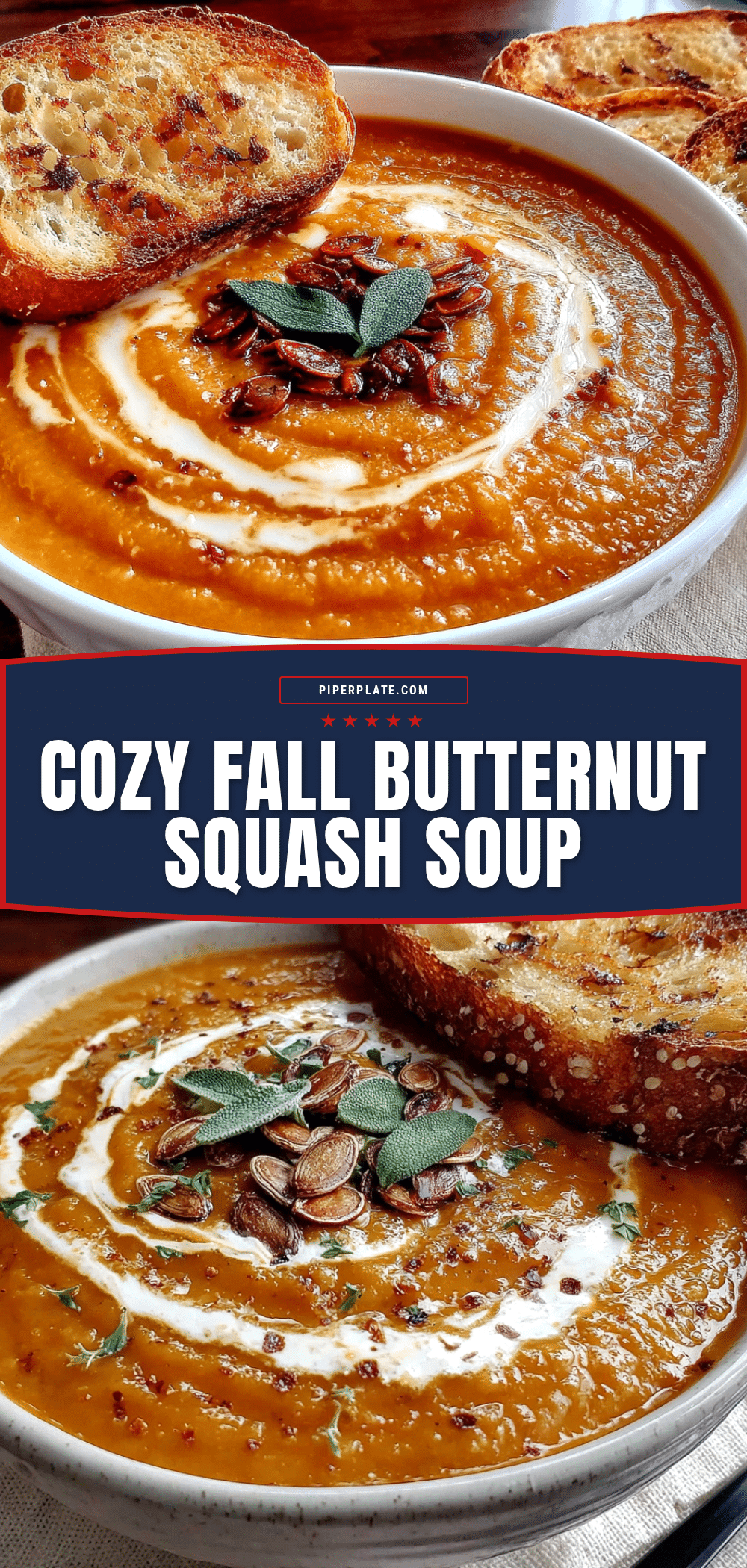
- Serve immediately. Ladle the soup into bowls. Top with a drizzle of extra coconut milk or cream, a sprinkle of toasted pumpkin seeds, the reserved crispy sage leaves, and a pinch of flaky sea salt. The contrast of the smooth soup with the crunchy toppings is just perfect.
Cooking Tips & Techniques
Here are some things I learned the hard way so you don’t have to.
Don’t skip the roasting step. I know it’s tempting to just boil everything in a pot and call it a day, but roasting the squash and apple first is what gives this soup its deep, caramelized flavor. Boiling just makes everything taste watery and flat. Trust me, the extra 35 minutes in the oven are worth it.
Cut your squash into uniform pieces. If some cubes are much smaller than others, they’ll burn while the bigger pieces are still hard. Aim for 1-inch cubes, and try to keep them consistent. The same goes for the apple and onion.
Blend with caution. Hot soup expands when blended, especially in a regular blender. I once had the lid blow off and splatter soup all over my white kitchen cabinets. It was not a fun cleanup. Always let the soup cool for a few minutes, and hold the lid down with a folded kitchen towel. An immersion blender is much safer and easier, if you have one.
Taste as you go. This is the most important rule of cooking. Salt levels can vary depending on your broth and how much salt you used during roasting. Add the nutmeg and cayenne gradually. You can always add more, but you can’t undo it. I usually add about half the nutmeg, taste, then add the rest if needed.
The soup thickens as it sits. If you’re making this ahead of time or have leftovers, the soup will thicken up in the fridge. When you reheat it, just add a splash of broth or water to thin it back to your desired consistency.
My biggest failure with this recipe? I once forgot to peel the apple. I thought, “Eh, the blender will get it.” It did not. The soup had these little flecks of apple skin throughout, and the texture was just off. Peel the apple. It takes two minutes and makes a huge difference in the final smoothness.
Variations & Adaptations
One of the best things about this soup is how easy it is to adapt. Here are some of my favorite variations.
Vegan & Dairy-Free. This recipe is already dairy-free if you use coconut milk and vegan butter. I often make it this way, and honestly, I don’t miss the dairy at all. The coconut milk adds a lovely richness without being overpowering. For an extra creamy version, use full-fat coconut milk from a can.
Spicy Roasted Butternut Squash Soup. If you like a little heat, add a chopped jalapeño (seeds removed) to the baking sheet with the vegetables. You can also increase the cayenne pepper to 1/2 teaspoon, or add a pinch of red pepper flakes when you sauté the sage. The warmth of the spice pairs beautifully with the sweet squash.
Add Some Protein. To make this soup a complete meal, I sometimes add a can of drained and rinsed chickpeas or white beans when I add the broth. Blend everything together, and you have a heartier soup with extra fiber and protein. Leftover shredded rotisserie chicken stirred in at the end is also delicious.
Roasted Carrot & Butternut Squash Soup. Swap half the squash for 3-4 large carrots, peeled and chopped. Roast them right alongside the squash and apple. The carrots add a slightly different sweetness and a beautiful orange color. This is my go-to variation when I have extra carrots in the fridge.
Herb Swaps. If you don’t have fresh sage, fresh thyme or rosemary work wonderfully too. Use about 4-5 sprigs of thyme or 2 sprigs of rosemary, and remove the stems before blending. Each herb gives the soup a slightly different personality. Sage is earthy and woodsy, thyme is more floral, and rosemary is piney and bold.
Slow Cooker Method. You can make this in a slow cooker! Just toss the chopped squash, apple, onion, and garlic with oil and seasonings, then roast them on a baking sheet first. Transfer the roasted vegetables to your slow cooker, add the broth, and cook on low for 4-6 hours or high for 2-3 hours. Then blend and stir in the coconut milk. The slow cooker version is great for days when you want the house to smell amazing all afternoon.
Serving & Storage Suggestions
This soup is wonderful served hot, right after making it, but it also gets better as the flavors meld together overnight.
Serving Temperature. Serve this soup piping hot. I like to ladle it into warmed bowls to keep it hot longer. The contrast between the hot, velvety soup and the cool, crunchy toppings is just perfect.
What to Serve With It. This soup pairs beautifully with a crusty sourdough bread or a warm, crusty baguette for dipping. A simple green salad with a tangy vinaigrette cuts through the richness of the soup nicely. For a heartier meal, serve it alongside a grilled cheese sandwich or a simple roasted chicken. A crisp white wine like Sauvignon Blanc or a dry Riesling complements the sweetness of the squash.
Garnishes. Don’t skip the garnishes! They really take this soup from good to restaurant-quality. A drizzle of coconut milk or cream adds visual appeal. Toasted pumpkin seeds add a wonderful crunch. A few crispy sage leaves add an earthy, aromatic finish. And a pinch of flaky sea salt right before serving brightens all the flavors.
Storage Instructions. Store leftover soup in an airtight container in the refrigerator for up to 5 days. The flavors will deepen and meld together, making it even more delicious the next day. The soup will thicken as it sits, so when you reheat it, add a splash of broth or water to thin it out to your desired consistency.
Freezer Instructions. This soup freezes beautifully. Let it cool completely, then transfer it to freezer-safe containers or zip-top bags. Leave a little headspace for expansion. Freeze for up to 3 months. To thaw, place the container in the refrigerator overnight, then reheat gently on the stovetop or in the microwave. I like to freeze individual portions in mason jars for easy lunches.
Reheating Tips. Reheat the soup on the stovetop over medium-low heat, stirring occasionally, until warmed through. You can also reheat it in the microwave in 30-second intervals, stirring between each. If the soup seems too thick, add a splash of broth or milk to thin it out. Don’t let it boil, or the coconut milk might separate.
Nutritional Information & Benefits
This soup is not only delicious but also packed with nutrients. Here’s an approximate breakdown per serving (based on 6 servings, using coconut milk).
- Calories: Approximately 220-250 per serving.
- Fat: 12-14g (mostly from olive oil and coconut milk, which are healthy fats).
- Carbohydrates: 28-32g (from the squash, apple, and onion).
- Fiber: 6-8g, thanks to the butternut squash and apple.
- Protein: 3-4g.
- Vitamin A: Over 300% of your daily value! Butternut squash is loaded with beta-carotene, which your body converts into vitamin A for healthy vision and immune function.
- Vitamin C: About 35% of your daily value, supporting your immune system.
- Potassium: A good amount, which is great for heart health and muscle function.
Dietary Considerations: This soup is naturally gluten-free, dairy-free (if using coconut milk and vegan butter), and vegan (if using vegan butter). It’s also relatively low in calories and high in fiber, making it a satisfying and healthy meal option. The main allergens to note are coconut (if using coconut milk) and potential traces of dairy (if using heavy cream or butter).
I love that this soup feels indulgent and comforting, but it’s actually packed with vegetables and healthy ingredients. It’s the kind of meal that nourishes your body and your soul at the same time. Honestly, that’s my favorite kind of food.
Conclusion
This cozy fall butternut squash soup is more than just a recipe. It’s a bowl of warmth on a chilly day. It’s a taste of autumn in every spoonful. It’s the soup I make when I need to slow down and savor the season. The combination of roasted squash, sweet apple, and fragrant sage is just pure comfort.
I really hope you give this recipe a try. Don’t be afraid to make it your own. Add more spice, swap the herbs, or top it with whatever crunchy things you have in your pantry. Cooking is all about making something that feels good to you. And honestly, this soup is pretty hard to mess up.
I would love to hear how it turns out for you! Did you try a variation? Did your family love it? Drop a comment below and let me know. Share your photos with us on social media. And if you loved this recipe, save it for later and share it with a friend who needs a little cozy comfort in their life. Happy cooking, friend. Here’s to warm bowls and even warmer memories.
Frequently Asked Questions
Can I use frozen butternut squash for this soup?
Yes, you can use frozen butternut squash cubes. However, you won’t get the same caramelized flavor from roasting because frozen squash releases a lot of water. If using frozen, thaw it first, pat it dry, and then roast it. You might need to add an extra 10 minutes to the roasting time. The soup will still be delicious, just not quite as deeply flavored.
Can I make this soup ahead of time?
Absolutely! This soup is actually perfect for meal prep. Make it a day or two ahead of time, and the flavors will meld together beautifully. Just store it in an airtight container in the refrigerator and reheat it gently on the stovetop or in the microwave. Add a splash of broth when reheating if it’s too thick.
How do I make this soup thicker or thinner?
To make it thicker, let it simmer on the stovetop for an extra 10-15 minutes after blending to reduce some of the liquid. You can also add less broth at the beginning, starting with 3 cups and adding more as needed. To make it thinner, simply stir in more vegetable broth, water, or milk until it reaches your desired consistency.
Can I freeze this soup?
Yes, this soup freezes wonderfully. Let it cool completely, then transfer it to freezer-safe containers or zip-top bags. Leave a little headspace for expansion. It will keep for up to 3 months. Thaw it overnight in the refrigerator before reheating. I love having a batch in the freezer for busy weeknights.
What can I use instead of coconut milk?
If you don’t have or don’t like coconut milk, you have several great options. Heavy cream or half-and-half will make the soup extra rich and creamy. You can also use whole milk, but it won’t be as thick. For a dairy-free option, unsweetened oat milk or cashew milk work well. Just avoid skim milk or almond milk, as they are too thin and might make the soup watery.
Pin This Recipe!
Easy Fall Butternut Squash Soup Recipe: Best Cozy Dinner

This velvety butternut squash soup, with roasted apple and fresh sage, is the ultimate cozy fall dinner. It’s quick, easy, and packed with comforting flavor.
- Prep Time: 15 minutes
- Cook Time: 40 minutes
- Total Time: 55 minutes
- Yield: 6 servings 1x
- Category: Soup
- Cuisine: American
Ingredients
- 1 medium butternut squash (about 2.5 to 3 pounds), peeled, seeded, and cut into 1-inch cubes
- 1 Honeycrisp apple (or any sweet-tart apple like Fuji or Gala), peeled, cored, and cut into 1-inch chunks
- 1 medium yellow onion, roughly chopped
- 3 cloves garlic, peeled and left whole
- 2 tablespoons olive oil
- 1 teaspoon salt, plus more to taste
- 1/2 teaspoon black pepper, freshly ground
- 4 cups vegetable broth, low-sodium
- 1/2 cup coconut milk (full-fat, from a can) or heavy cream
- 8–10 fresh sage leaves, plus more for garnish
- 1 tablespoon butter (or vegan butter)
- 1/4 teaspoon nutmeg, freshly grated
- 1/4 teaspoon cayenne pepper (optional)
- Toasted pumpkin seeds (pepitas) for garnish (optional)
- A drizzle of coconut milk or cream for garnish (optional)
- Fresh sage leaves, fried in butter until crispy for garnish (optional)
- A pinch of flaky sea salt for garnish (optional)
Instructions
- Preheat your oven to 400°F (200°C). Line a large baking sheet with parchment paper.
- Prep the butternut squash: Cut off both ends, stand upright, slice in half, scoop out seeds, peel, and cut into 1-inch cubes.
- Prep the apple and onion: Peel and core the apple, cut into 1-inch chunks. Roughly chop the onion into similar-sized pieces. Leave garlic cloves whole.
- On the prepared baking sheet, combine squash cubes, apple chunks, chopped onion, and whole garlic cloves. Drizzle with 2 tablespoons olive oil, sprinkle with 1 teaspoon salt and 1/2 teaspoon black pepper. Toss to coat. Spread in a single layer.
- Roast for 35-40 minutes until squash is fork-tender and edges are caramelized. Stir halfway through.
- While vegetables roast, in a large soup pot or Dutch oven, melt 1 tablespoon butter over medium heat. Add fresh sage leaves and cook 1-2 minutes until fragrant and slightly crispy. Remove half the leaves for garnish; leave the rest in the pot.
- Transfer roasted vegetables to the pot with sage butter. Pour in 4 cups vegetable broth. Bring to a gentle simmer over medium heat, then reduce to low and cook 5 minutes.
- Stir in 1/4 teaspoon nutmeg and 1/4 teaspoon cayenne pepper (if using). Taste and adjust salt and pepper.
- Remove pot from heat. Using an immersion blender, blend until smooth. (If using a regular blender, let soup cool 5 minutes, then blend in batches, filling no more than halfway. Hold lid down with a towel.)
- Stir in 1/2 cup coconut milk or heavy cream until fully incorporated. Taste and adjust seasonings.
- Serve immediately in bowls. Garnish with a drizzle of coconut milk or cream, toasted pumpkin seeds, crispy sage leaves, and a pinch of flaky sea salt.
Notes
Don’t skip roasting—it deepens flavor. Cut squash into uniform 1-inch cubes for even cooking. Blend hot soup carefully; let cool slightly and hold lid down with a towel. Soup thickens as it sits; add broth when reheating. For best texture, peel the apple. Fresh sage is non-negotiable.
Nutrition
- Serving Size: 1 bowl (about 1.5 cu
- Calories: 235
- Sugar: 12
- Sodium: 680
- Fat: 13
- Saturated Fat: 6
- Carbohydrates: 30
- Fiber: 7
- Protein: 3.5
Keywords: butternut squash soup, fall soup, cozy dinner, roasted butternut squash, sage, apple, vegetarian, gluten-free, dairy-free option