Love this? Save it for later!
Share the inspiration with your friends
“Why don’t you just toss the lavender right into the batter instead of steeping it first?” my friend asked during a weekend bake-off at my place. I started to explain why that wouldn’t work—the texture might get gritty, the flavor uneven—then stopped. Honestly, I thought, why not try it her way? So, with a little skepticism and a cracked mixing bowl that nearly spilled all over the counter, I folded the lavender straight into the lemon pound cake batter. To my surprise, the cake came out remarkably moist, with a gentle floral note that wasn’t overpowering at all. It was one of those moments where the student teaches the teacher something valuable.
That afternoon, in my small but lively kitchen cluttered with a few too many utensils and a stubborn oven that runs a bit hot, I realized that sometimes simple instincts—like my friend’s unconventional lavender addition—make all the difference. The citrus glaze on top added a bright zing that balanced the richness of the butter and sugar perfectly. Maybe you’ve been there, doubting a shortcut or a tweak, only to find it makes the recipe shine in ways you didn’t expect.
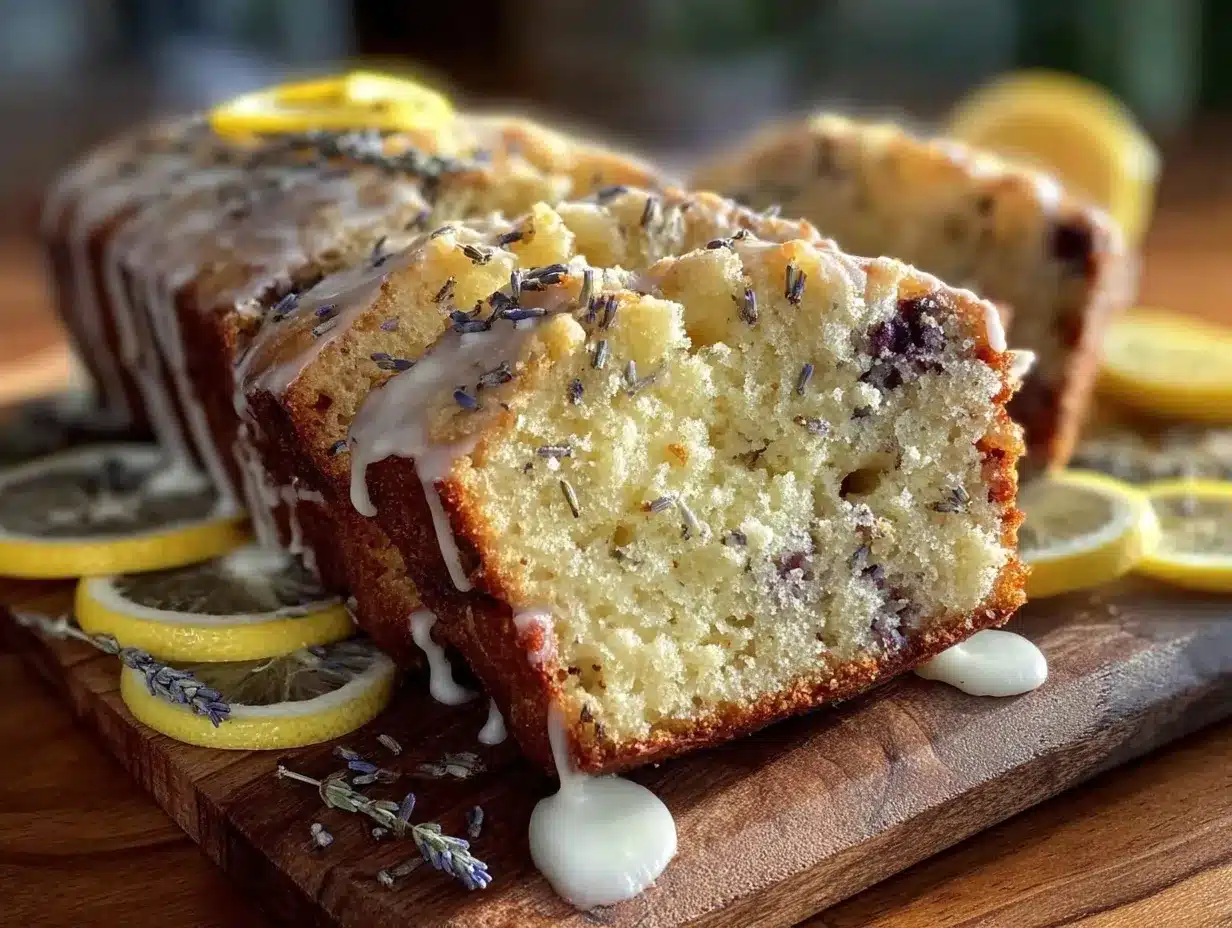
This Moist Lemon Lavender Pound Cake with Citrus Glaze has stuck with me ever since, not just for how delicious it is, but because it reminded me that recipes aren’t rules—they’re invitations to experiment. And trust me, once you get a slice of this cake, you’ll understand why it’s become a favorite for everything from cozy afternoon teas to spontaneous celebrations.
Why You’ll Love This Recipe
After testing many variations (some with too much lavender, others too dense), this recipe landed perfectly. I’m confident you’ll appreciate it for these reasons:
- Quick & Easy: Ready in under 1 hour and 15 minutes, perfect for when you want a homemade treat without fuss.
- Simple Ingredients: Uses pantry staples plus fresh lemons and dried culinary lavender—no exotic shopping required.
- Perfect for Special Occasions: Whether it’s brunch, a garden party, or a calming weekend indulgence, it fits beautifully.
- Crowd-Pleaser: The gentle floral aroma and zesty citrus glaze always get compliments from kids and adults alike.
- Unbelievably Delicious: The buttery crumb stays moist, while the citrus glaze adds a bright, tangy finish that keeps you coming back.
This isn’t just another lemon pound cake. The secret lies in steeping the lavender to coax out its delicate flavor without bitterness, combined with a citrus glaze that’s both tangy and sweet. Plus, the buttery, dense crumb feels comforting but never heavy. Honestly, I’ve lost count of how many times I’ve made this cake, and each time it brings a little sunshine to the kitchen.
What Ingredients You Will Need
This recipe uses simple, wholesome ingredients to deliver bold flavor and a satisfyingly moist texture without any fuss. Most are pantry staples, with the lavender and lemons adding a special touch.
- Unsalted butter, softened (1 cup / 227 grams) — I prefer Land O Lakes for consistent creaminess
- Granulated sugar (1 ¾ cups / 350 grams) — standard white sugar works best for texture
- Large eggs, room temperature (4) — helps the batter emulsify properly
- All-purpose flour (2 ½ cups / 312 grams) — sifted for a lighter crumb
- Baking powder (1 ½ teaspoons) — for just the right lift
- Salt (½ teaspoon) — balances the sweetness
- Dried culinary lavender buds (2 tablespoons) — look for food-grade lavender at specialty stores or online
- Whole milk (½ cup / 120 ml) — adds moisture without heaviness; feel free to swap for almond milk if dairy-free
- Fresh lemon zest (2 tablespoons) — use unwaxed lemons to avoid bitterness
- Lemon juice (freshly squeezed, ¼ cup / 60 ml) — for the glaze and batter
- Powdered sugar (1 cup / 120 grams) — for the citrus glaze
Note: In summer, I sometimes swap lemon zest for orange zest or add a handful of fresh blueberries for a fruity twist. For gluten-free options, almond flour works well but expect a slightly denser cake. If lavender isn’t your thing, try substituting with a vanilla bean or lemon thyme for a different herbal note.
Equipment Needed
- 9×5-inch loaf pan: Essential for shaping the classic pound cake. I use a non-stick version, but a well-greased and floured metal pan works equally well.
- Mixing bowls: At least two—one for wet ingredients and one for dry to keep things organized.
- Electric mixer or stand mixer: Makes creaming the butter and sugar effortless. Hand whisking is possible but requires more elbow grease.
- Fine mesh sieve: For sifting flour and straining steeped lavender buds out if you prefer a smoother batter.
- Microplane or fine grater: To zest lemons finely without including the bitter white pith.
- Measuring cups and spoons: Accuracy counts here, especially for baking powder and salt.
- Small saucepan: To gently steep lavender in milk, releasing flavor without scorching.
For budget-friendly options, a simple hand mixer and basic loaf pan from any kitchen store work just fine. Keeping your loaf pan well-greased with butter and dusted with flour prevents sticking—trust me, I learned that the hard way after losing a perfect crust to a stubborn pan! Also, if you don’t have a microplane, a sharp paring knife can carefully remove zest strips, though it takes a bit more patience.
Preparation Method
- Preheat your oven to 350°F (175°C). Grease your 9×5-inch loaf pan with butter and dust it lightly with flour, knocking out the excess. This step helps the cake release easily after baking (about 10 minutes).
- Steep the lavender: In a small saucepan, combine ½ cup (120 ml) whole milk with 2 tablespoons dried culinary lavender. Warm over low heat just until steaming—don’t boil. Remove from heat and let it steep for 10 minutes to extract the floral notes. Then strain through a fine mesh sieve to remove buds, reserving the infused milk. This step is key to avoid gritty bits in the batter.
- Cream butter and sugar: In a large mixing bowl, beat 1 cup (227 g) softened unsalted butter with 1 ¾ cups (350 g) granulated sugar using an electric mixer on medium speed. Beat until the mixture is pale, fluffy, and smooth—about 4-5 minutes. This aerates the batter for a tender crumb.
- Add eggs: Crack in 4 large eggs, one at a time, beating well after each addition. This helps the batter stay emulsified and prevents curdling.
- Mix dry ingredients: In a separate bowl, sift together 2 ½ cups (312 g) all-purpose flour, 1 ½ teaspoons baking powder, and ½ teaspoon salt.
- Combine wet and dry: Add the dry mixture to the creamed butter and eggs in three parts, alternating with the lavender-infused milk in two parts. Begin and end with the dry ingredients. Mix on low speed just until incorporated. Overmixing can make the cake tough.
- Add lemon zest: Gently fold in 2 tablespoons freshly grated lemon zest by hand for bursts of citrus flavor throughout.
- Pour batter into prepared pan: Spread evenly and smooth the top with a spatula. Tap the pan gently on the counter to release any air bubbles.
- Bake: Place in the oven and bake for 55-65 minutes or until a toothpick inserted into the center comes out clean. Ovens vary, so start checking at 50 minutes to avoid overbaking.
- Cool in pan: Let the cake cool in the pan for 15 minutes before transferring to a wire rack to cool completely. This resting time helps the crumb set and keeps the cake moist.
- Prepare the citrus glaze: In a small bowl, whisk together 1 cup (120 g) powdered sugar with ¼ cup (60 ml) fresh lemon juice until smooth and pourable. Adjust with more juice or sugar to get the right consistency.
- Glaze the cake: Drizzle the citrus glaze over the cooled pound cake, letting it drip down the sides for a pretty finish. Let the glaze set for about 20 minutes before slicing.
Pro tip: If your kitchen is humid, store the cake in an airtight container to keep it from absorbing moisture and losing its delicate texture. Also, I always keep a spare lemon on hand in case I need a splash more juice for the glaze.
Cooking Tips & Techniques
One thing I learned the hard way is not to skip the steeping of lavender in milk. Just tossing dried buds directly into the batter can create an unpleasant texture and uneven flavor. Steeping extracts the aroma gently, avoiding bitterness.
Creaming butter and sugar until light and fluffy is another step you don’t want to rush—this builds the cake’s structure and tenderness. I’ve seen cakes turn out dense when this step is skimmed.
Be careful not to overmix once you add the flour. Overworking the batter develops gluten, making the pound cake tough, and that’s definitely not the moist, tender texture we’re after here.
If your oven tends to run hot (like mine does), reduce the temperature by 25°F (about 15°C) and extend the baking time slightly. Always check doneness with a toothpick instead of relying on time alone.
When glazing, make sure the cake is completely cool. Pouring glaze on warm cake causes it to melt and run off, losing that lovely citrus punch.
Finally, multitasking tip: While the cake bakes, prepare the glaze and clean your workspace. It makes slicing and serving much more enjoyable when everything’s ready and neat.
Variations & Adaptations
- Herbal Twist: Swap lavender for dried rosemary or thyme for a savory-sweet flavor that pairs beautifully with lemon.
- Gluten-Free Version: Use a 1:1 gluten-free baking flour blend and add 1 teaspoon xanthan gum if your blend doesn’t already contain it.
- Berry Boost: Fold in ½ cup fresh or frozen blueberries (tossed in a little flour) to the batter for a fruity surprise.
- Dairy-Free Adaptation: Replace butter with coconut oil and milk with almond or oat milk, noting the subtle flavor changes.
- Cooking Method Change: Try baking as cupcakes for easier portion control; reduce baking time to 20-25 minutes.
Personally, I once tried adding a tablespoon of honey to the glaze for a softer sweetness and it was delightful—it cut the tartness slightly and added depth. Feel free to tweak based on what you have or prefer!
Serving & Storage Suggestions
This Moist Lemon Lavender Pound Cake is best served at room temperature, allowing the flavors and moist crumb to shine. Slice it thick with a serrated knife to avoid squashing the delicate texture.
It pairs wonderfully with a cup of Earl Grey tea or a glass of sparkling lemonade for a refreshing contrast. For brunch, it’s lovely alongside fresh fruit or a dollop of whipped cream.
Store the cake covered at room temperature for up to 2 days or in an airtight container in the refrigerator for up to a week. To freeze, wrap tightly in plastic wrap and foil, then thaw overnight in the fridge before serving.
Reheat slices gently in the microwave for 10-15 seconds to bring back that just-baked warmth without drying it out. Over time, the flavors meld beautifully, especially the lavender and citrus, making leftovers almost better than fresh.
Nutritional Information & Benefits
Each slice (based on 10 servings) contains approximately 320 calories, 18g fat, 38g carbohydrates, and 4g protein. The cake is rich in energy, thanks to butter and sugar, so it’s definitely an indulgence treat.
Lavender used here offers mild calming properties and antioxidants, while fresh lemon provides vitamin C and a bright zing that can help digestion. Choosing whole milk and fresh ingredients keeps the flavor natural and wholesome.
This pound cake fits well for those who enjoy moderate indulgences and can be adapted for gluten-free or dairy-free diets as needed. Just be mindful of the sugar content if you’re watching your intake.
Conclusion
If you’re looking for a dessert that feels both special and approachable, this Moist Lemon Lavender Pound Cake with Citrus Glaze is a fantastic choice. It’s the kind of recipe that turns a simple afternoon into a moment worth savoring. I love how it balances buttery richness with bright citrus and just a whisper of floral magic.
Give it a try, and don’t be afraid to make it your own—whether by adding berries, swapping herbs, or adjusting the glaze sweetness. I’d love to hear how your version turns out, so please leave a comment or share your tweaks!
Happy baking, and here’s to many cozy moments with a slice of cake and good company.
FAQs
Can I use fresh lavender instead of dried?
Fresh lavender can be used but it’s stronger and more delicate, so use about half the amount and steep it gently in warm milk. Make sure it’s culinary grade to avoid pesticides.
How do I know when the pound cake is fully baked?
Insert a toothpick into the center of the cake. If it comes out clean or with a few moist crumbs (not wet batter), the cake is done.
Can I make this cake ahead of time?
Yes! It actually tastes better after sitting for a few hours or overnight, allowing flavors to meld. Store covered at room temperature or refrigerate.
Is it okay to substitute the butter with oil?
You can use oil, but the texture and flavor will change. Butter adds richness and structure that oil doesn’t replicate fully.
What can I do if I don’t have a loaf pan?
You can bake this as cupcakes or in a bundt pan. Adjust baking time accordingly—cupcakes take about 20-25 minutes, bundts 50-60 minutes.
Pin This Recipe!

Moist Lemon Lavender Pound Cake Recipe with Easy Citrus Glaze

A moist and tender lemon pound cake infused with delicate lavender flavor and topped with a bright, tangy citrus glaze. Perfect for cozy teas, brunches, or celebrations.
- Prep Time: 20 minutes
- Cook Time: 55-65 minutes
- Total Time: 1 hour 15 minutes
- Yield: 10 servings 1x
- Category: Dessert
- Cuisine: American
Ingredients
- 1 cup (227 grams) unsalted butter, softened
- 1 ¾ cups (350 grams) granulated sugar
- 4 large eggs, room temperature
- 2 ½ cups (312 grams) all-purpose flour, sifted
- 1 ½ teaspoons baking powder
- ½ teaspoon salt
- 2 tablespoons dried culinary lavender buds
- ½ cup (120 ml) whole milk
- 2 tablespoons fresh lemon zest
- ¼ cup (60 ml) fresh lemon juice
- 1 cup (120 grams) powdered sugar
Instructions
- Preheat your oven to 350°F (175°C). Grease a 9×5-inch loaf pan with butter and dust lightly with flour, knocking out the excess.
- In a small saucepan, combine ½ cup (120 ml) whole milk with 2 tablespoons dried culinary lavender. Warm over low heat until steaming, then remove from heat and steep for 10 minutes. Strain through a fine mesh sieve to remove buds, reserving the infused milk.
- In a large mixing bowl, beat 1 cup (227 g) softened unsalted butter with 1 ¾ cups (350 g) granulated sugar using an electric mixer on medium speed until pale, fluffy, and smooth, about 4-5 minutes.
- Add 4 large eggs one at a time, beating well after each addition.
- In a separate bowl, sift together 2 ½ cups (312 g) all-purpose flour, 1 ½ teaspoons baking powder, and ½ teaspoon salt.
- Add the dry mixture to the creamed butter and eggs in three parts, alternating with the lavender-infused milk in two parts, beginning and ending with the dry ingredients. Mix on low speed just until incorporated.
- Gently fold in 2 tablespoons freshly grated lemon zest by hand.
- Pour batter into the prepared loaf pan and smooth the top. Tap the pan gently on the counter to release air bubbles.
- Bake for 55-65 minutes or until a toothpick inserted into the center comes out clean. Start checking at 50 minutes to avoid overbaking.
- Let the cake cool in the pan for 15 minutes, then transfer to a wire rack to cool completely.
- Prepare the citrus glaze by whisking together 1 cup (120 g) powdered sugar with ¼ cup (60 ml) fresh lemon juice until smooth and pourable.
- Drizzle the glaze over the cooled cake and let it set for about 20 minutes before slicing.
Notes
Steeping lavender in milk is essential to avoid gritty texture and bitterness. Do not overmix the batter after adding flour to keep the cake tender. If your oven runs hot, reduce temperature by 25°F and extend baking time slightly. Let the cake cool completely before glazing to prevent glaze from melting and running off. Store in an airtight container to maintain texture.
Nutrition
- Serving Size: 1 slice (1/10th of c
- Calories: 320
- Fat: 18
- Carbohydrates: 38
- Protein: 4
Keywords: lemon pound cake, lavender cake, citrus glaze, moist pound cake, lemon dessert, floral cake, easy pound cake recipe