Love this? Save it for later!
Share the inspiration with your friends
Introduction
“I never thought I’d become a connoisseur of soft foods,” I confessed to my nurse one afternoon while recovering from surgery. Honestly, the first few days after my operation were a blur of pain meds and confusion, and the last thing on my mind was what to eat. But then, my neighbor—who I always pegged as the ‘grab-and-go’ type—showed up with a batch of homemade, high-protein soft foods that changed everything. She told me, ‘These helped my dad bounce back quicker after his knee surgery.’ I was skeptical, but let me tell you, after that first spoonful, I was hooked.
You know that feeling when your body just craves nourishment but can’t handle anything too tough or complicated? Maybe you’ve been there—post-surgery, dental work, or just a rough patch when chewing feels like a challenge. This recipe collection is exactly what I wish I had on those long, slow days. It’s packed with wholesome, soft foods that are not only gentle on healing bodies but also rich in protein to help rebuild strength and speed recovery.
There was that one afternoon, I accidentally knocked over the bowl while trying to stir—classic me—but it didn’t matter because the taste was so comforting. What started as a reluctant experiment turned into my go-to healing menu. So whether you’re recovering yourself or caring for someone who is, these dishes are designed to nourish both body and soul, making the road to recovery a little smoother and a lot tastier.
Why You’ll Love This Recipe
Having tested countless variations of soft, protein-packed meals during my own recovery and for close friends, I can confidently say this recipe collection hits the sweet spot between nutrition and comfort. Here’s why it stands out:
- Quick & Easy: Most recipes come together in under 30 minutes, perfect for those low-energy days or last-minute meal prep.
- Simple Ingredients: No need for specialty health foods—these dishes use everyday pantry staples and fresh produce you likely already have.
- Perfect for Healing: High in protein and gentle on the stomach, these meals support tissue repair and energy replenishment.
- Crowd-Pleaser: Whether it’s you or a loved one recovering, these soft foods get rave reviews for flavor and texture.
- Unbelievably Delicious: Soft doesn’t mean bland—each recipe balances taste and nutrition thoughtfully.
What makes this recipe collection different is the focus on real food that feels like a treat, not a chore. For example, blending cottage cheese into the mix gives an ultra-smooth texture that’s easy to eat but still packed with muscle-building protein. Plus, subtle seasoning ensures every bite is comforting without overwhelming sensitive palates. Honestly, this isn’t just another soft food guide—it’s the one I keep coming back to when I want to feel nourished and cared for in the kitchen.
What Ingredients You Will Need
These wholesome post-surgery high-protein soft foods rely on simple, nourishing ingredients that work together to support healing and satisfy hunger. Most are pantry staples or easy to find fresh, making this approach super accessible.
- Protein Sources:
- Low-fat cottage cheese (small-curd preferred for smoother texture)
- Greek yogurt (plain, full-fat or low-fat based on preference)
- Soft tofu (silken variety for creaminess)
- Cooked lentils, pureed or very soft
- Eggs (for soft scrambles or custards)
- Cooked white fish or chicken, shredded finely
- Vegetables & Fruits:
- Steamed carrots, mashed sweet potatoes, or butternut squash
- Avocado (adds healthy fats and creaminess)
- Ripe bananas or applesauce for natural sweetness
- Cooked spinach or kale, pureed
- Liquids & Flavor Enhancers:
- Low-sodium chicken or vegetable broth (for thinning purees)
- Milk or dairy-free alternatives like almond or oat milk
- Olive oil or melted butter (adds richness and calories)
- Fresh herbs like parsley or dill (for gentle flavor boosts)
- Salt and pepper, used sparingly
For the best results, I recommend brands like Fage for Greek yogurt and Silk for silken tofu—they offer consistent quality that really helps with texture. Also, if you’re aiming for dairy-free options, swapping in coconut yogurt or almond milk works wonderfully without losing creaminess. Seasonal swaps are easy here too—fresh summer peaches mashed can replace applesauce, or roasted zucchini can stand in for spinach. The versatility is what makes this approach practical and sustainable, especially during recovery when appetite and tolerance can shift daily.
Equipment Needed

Keeping kitchen tools simple is key when energy is low and cooking needs to be straightforward. Here’s what you’ll want on hand:
- Blender or Food Processor: Essential for pureeing vegetables, fruits, and protein sources to the right soft consistency. A high-speed blender like a Vitamix is ideal, but a basic food processor works fine too.
- Medium Saucepan: For steaming veggies and cooking lentils or grains.
- Mixing Bowls: A set of various sizes helps with combining ingredients and prepping portions.
- Wooden Spoon or Silicone Spatula: Gentle on cookware and perfect for stirring soft mixtures.
- Measuring Cups and Spoons: For accurate ingredient amounts—important for consistent results.
- Optional: Steamer Basket for quick, hands-free vegetable steaming.
I once tried preparing a batch using just a fork and a bowl (talk about improvising!), but trust me, a blender really saves time and effort. For budget-conscious cooks, a hand blender is a great alternative—it’s easy to clean and keeps things simple. Also, keeping your equipment clean and dry between uses prevents any unwanted flavors from sneaking in, especially with soft, delicate foods.
Preparation Method
- Prepare Your Protein Base (10-15 minutes):
- If using lentils, rinse 1 cup (190g) and cook in 2 cups (480ml) of water until very soft, about 20-25 minutes. Drain excess liquid.
- For cottage cheese or Greek yogurt, measure out 1 cup (240g) and set aside.
- If cooking fish or chicken, poach gently in broth until fully cooked, about 10 minutes, then shred finely with a fork.
- Steam and Soften Vegetables (10-12 minutes):
- Choose 2 cups (300g) of vegetables like carrots, sweet potatoes, or spinach. Steam until tender enough to mash easily with a fork.
- Drain and let cool slightly before pureeing.
- Puree Ingredients Together (5-10 minutes):
- In a blender or food processor, combine protein, vegetables, and about ½ cup (120ml) low-sodium broth or milk.
- Blend until smooth, scraping down sides as needed.
- If texture is too thick, add more liquid a tablespoon at a time until desired softness is reached.
- Season Lightly (1-2 minutes):
- Stir in a pinch of salt and pepper.
- Add a teaspoon of olive oil or melted butter for richness.
- Optional: stir in fresh chopped herbs like parsley for a mild flavor boost.
- Serve Warm (immediately or within 30 minutes):
- Heat gently if needed, avoiding boiling which can affect texture.
- Test temperature before serving to avoid burns.
Some quick tips: If you notice lumps or gritty textures, try blending a bit longer or adding a splash more liquid. I learned the hard way that patience with blending makes a world of difference—once I stopped rushing, the smoothness improved dramatically. Also, prepping ingredients the night before can save energy on tougher days, just keep purees refrigerated and reheat gently.
Cooking Tips & Techniques
Soft foods require a delicate balance—too thick and they’re hard to swallow, too thin and they lose satisfaction. Here are a few tricks I’ve picked up:
- Use gentle heat: When reheating, low and slow is your friend. High heat can cause separation or change textures unfavorably.
- Mind the seasoning: Since flavors mellow when pureed, taste as you go. Sometimes a tiny splash of lemon juice or a dash of smoked paprika can brighten the dish without overpowering.
- Blend thoroughly: Don’t rush this step. A few extra seconds in the blender can be the difference between a gritty puree and a silky one.
- Test textures: Use a spoon to check if the mixture holds shape but is still soft. This helps adjust liquid amounts before serving.
- Keep portions small: Eating can be tiring post-surgery. Small, frequent meals tend to go down easier and keep energy up.
I once forgot to drain excess broth from steamed veggies and ended up with an overly runny puree—not my finest moment, but it taught me to always measure liquids carefully. Also, multitasking is key: while lentils cook, you can prep veggies, making the process efficient without extra strain.
Variations & Adaptations
Everyone’s recovery journey is unique, and these recipes flex well to meet different needs and preferences.
- Dietary Preferences: For dairy-free needs, swap cottage cheese and yogurt with silken tofu or coconut yogurt. Use olive oil instead of butter.
- Seasonal Twists: In fall, try pureed roasted pumpkin or parsnips. Summer calls for fresh zucchini or ripe peaches mixed in for natural sweetness.
- Flavor Boosters: Add mild curry powder or ginger for warmth if tolerated. For savory lovers, a spoonful of pesto can introduce fresh herb notes.
- Cooking Methods: Instead of steaming, slow-cook veggies in broth for deeper flavor. For more protein, soft scrambled eggs can be folded in gently.
- Personal Favorite: I like blending in a little mashed avocado for creaminess and healthy fats—it adds softness and a subtle buttery flavor that feels indulgent without fuss.
Serving & Storage Suggestions
Serving these soft, high-protein foods warm is ideal as temperature enhances their comforting nature. I usually serve in small bowls with a drizzle of olive oil on top to add shine and extra calories for healing.
Pair these dishes with mild herbal teas or warm broths to soothe digestion. For a fuller meal, soft steamed rice or well-cooked noodles complement the textures nicely.
Leftovers keep well in airtight containers refrigerated up to 3 days. For longer storage, freeze portions in silicone molds or freezer-safe bags for up to 1 month. When reheating, defrost overnight in the fridge first, then warm gently on the stovetop or microwave in short bursts, stirring frequently to maintain smooth texture.
Flavors often deepen after a day or two, so don’t hesitate to prepare in advance. Just remember that very thick purees might need thinning before serving.
Nutritional Information & Benefits
This recipe collection is thoughtfully designed to support healing through balanced nutrition. Each serving typically provides:
- High-quality protein (15-20g per serving), crucial for tissue repair and immune function
- Healthy fats from olive oil and avocado, promoting cell regeneration and energy
- Complex carbohydrates and fiber from vegetables, aiding digestion and steady energy release
- Vitamins A, C, and K from fresh produce, supporting skin health and blood clotting
These dishes are naturally gluten-free and can be adapted for dairy-free or vegan diets. Because the foods are soft and easy to digest, they’re gentle on sensitive stomachs and ideal during recovery phases when appetite and digestion may be compromised.
Conclusion
Wholesome post-surgery high-protein soft foods aren’t just about nourishment—they’re about feeling cared for when your body needs it most. This recipe collection brings comfort, flavor, and healing power together in easy-to-make dishes that anyone can enjoy. You can customize them to fit your taste, dietary needs, or what’s available in your kitchen, making recovery a bit less daunting and a lot more delicious.
I keep coming back to these recipes whenever I need a gentle boost or want to support someone going through a tough time. If you try them, don’t hesitate to share your own twists or questions—I love hearing how these foods fit into your healing journey. Here’s to nourishing ourselves with kindness and care, one soft bite at a time!
FAQs
What are the best protein sources for post-surgery soft foods?
Soft options like cottage cheese, Greek yogurt, silken tofu, cooked lentils, and finely shredded chicken or fish work well because they’re easy to chew and digest while being rich in protein.
Can these soft foods be made ahead and stored?
Yes! They store well refrigerated for up to 3 days and can be frozen for about a month. Just thaw and reheat gently to preserve texture and flavor.
How can I adjust these recipes for dairy intolerance?
Simply swap dairy ingredients with coconut or almond yogurt, use plant-based milks, and replace butter with olive oil or coconut oil.
Are these recipes suitable for other healing situations besides surgery?
Absolutely. They’re great for dental procedures, illness recovery, or anytime you need gentle, nutrient-dense meals.
How do I know if the texture is right for me or a loved one?
The puree should be smooth but thick enough to hold shape on a spoon without running off. You can adjust liquids to reach the preferred softness based on chewing ability and swallowing comfort.
For more nourishing ideas, you might find inspiration in recipes like creamy spinach puree or soft chicken stew, which also focus on easy-to-eat, healing-friendly meals.
Pin This Recipe!
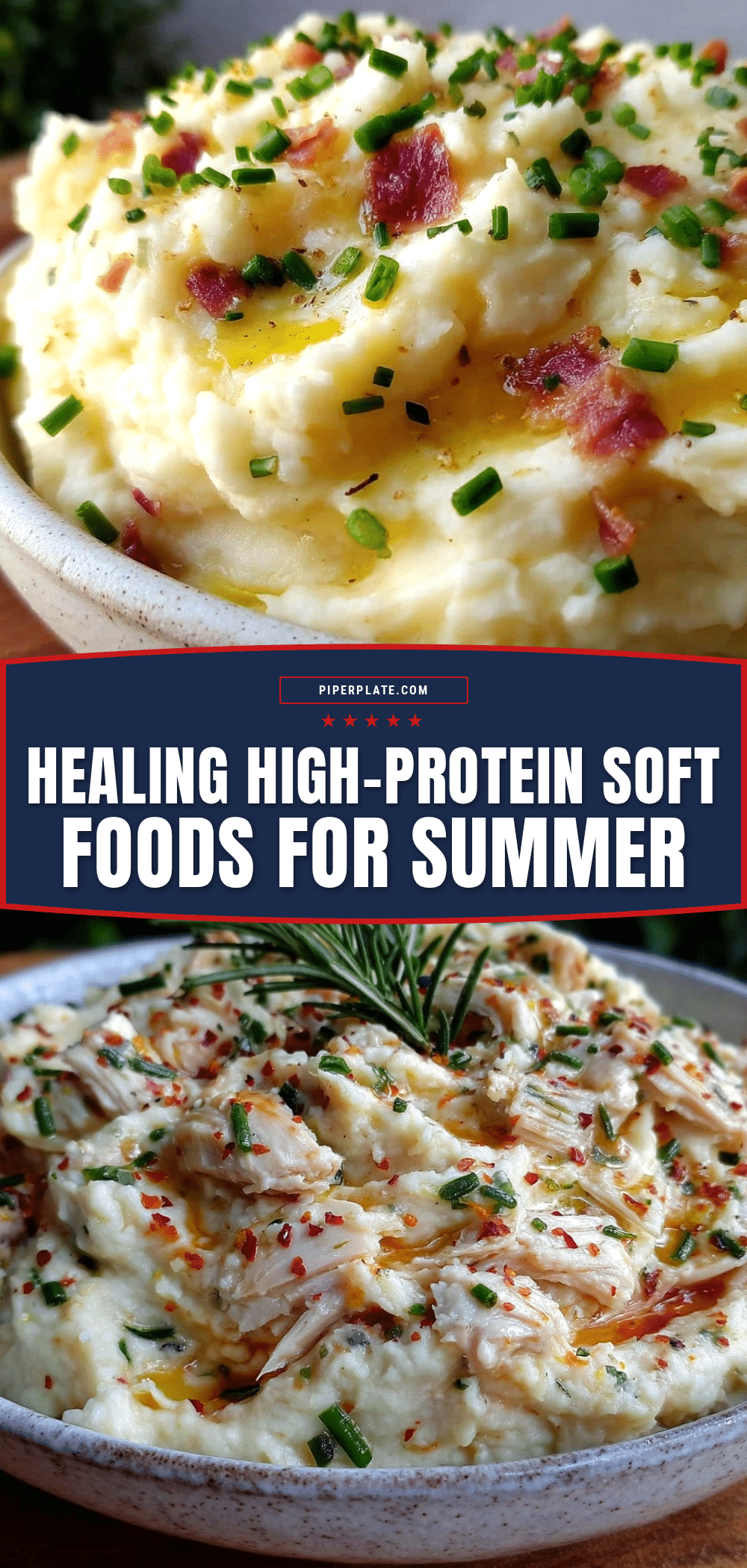
Wholesome Post-Surgery High-Protein Soft Foods for Fast Healing

A collection of easy-to-make, high-protein soft foods designed to support healing and provide gentle nourishment post-surgery or during recovery.
- Prep Time: 15 minutes
- Cook Time: 25 minutes
- Total Time: 40 minutes
- Yield: 4 servings
- Category: Main Course
- Cuisine: American
Ingredients
- Low-fat cottage cheese (small-curd preferred for smoother texture)
- Greek yogurt (plain, full-fat or low-fat based on preference)
- Soft tofu (silken variety for creaminess)
- Cooked lentils, pureed or very soft
- Eggs (for soft scrambles or custards)
- Cooked white fish or chicken, shredded finely
- Steamed carrots, mashed sweet potatoes, or butternut squash
- Avocado (adds healthy fats and creaminess)
- Ripe bananas or applesauce for natural sweetness
- Cooked spinach or kale, pureed
- Low-sodium chicken or vegetable broth (for thinning purees)
- Milk or dairy-free alternatives like almond or oat milk
- Olive oil or melted butter (adds richness and calories)
- Fresh herbs like parsley or dill (for gentle flavor boosts)
- Salt and pepper, used sparingly
Instructions
- Prepare Your Protein Base (10-15 minutes): If using lentils, rinse 1 cup (190g) and cook in 2 cups (480ml) of water until very soft, about 20-25 minutes. Drain excess liquid. For cottage cheese or Greek yogurt, measure out 1 cup (240g) and set aside. If cooking fish or chicken, poach gently in broth until fully cooked, about 10 minutes, then shred finely with a fork.
- Steam and Soften Vegetables (10-12 minutes): Choose 2 cups (300g) of vegetables like carrots, sweet potatoes, or spinach. Steam until tender enough to mash easily with a fork. Drain and let cool slightly before pureeing.
- Puree Ingredients Together (5-10 minutes): In a blender or food processor, combine protein, vegetables, and about ½ cup (120ml) low-sodium broth or milk. Blend until smooth, scraping down sides as needed. If texture is too thick, add more liquid a tablespoon at a time until desired softness is reached.
- Season Lightly (1-2 minutes): Stir in a pinch of salt and pepper. Add a teaspoon of olive oil or melted butter for richness. Optional: stir in fresh chopped herbs like parsley for a mild flavor boost.
- Serve Warm (immediately or within 30 minutes): Heat gently if needed, avoiding boiling which can affect texture. Test temperature before serving to avoid burns.
Notes
Use gentle heat when reheating to avoid texture changes. Blend thoroughly for smooth texture. Adjust liquid amounts to achieve preferred softness. Store leftovers refrigerated up to 3 days or freeze up to 1 month. For dairy-free options, substitute dairy ingredients with coconut or almond yogurt and plant-based milks, and use olive oil instead of butter.
Nutrition
- Serving Size: Approximately 1 cup
- Calories: 250300
- Sugar: 57
- Sodium: 150250
- Fat: 1015
- Saturated Fat: 24
- Carbohydrates: 2025
- Fiber: 35
- Protein: 1520
Keywords: post-surgery soft foods, high-protein soft foods, healing foods, soft diet, recovery meals, gentle nutrition, protein-rich soft foods